
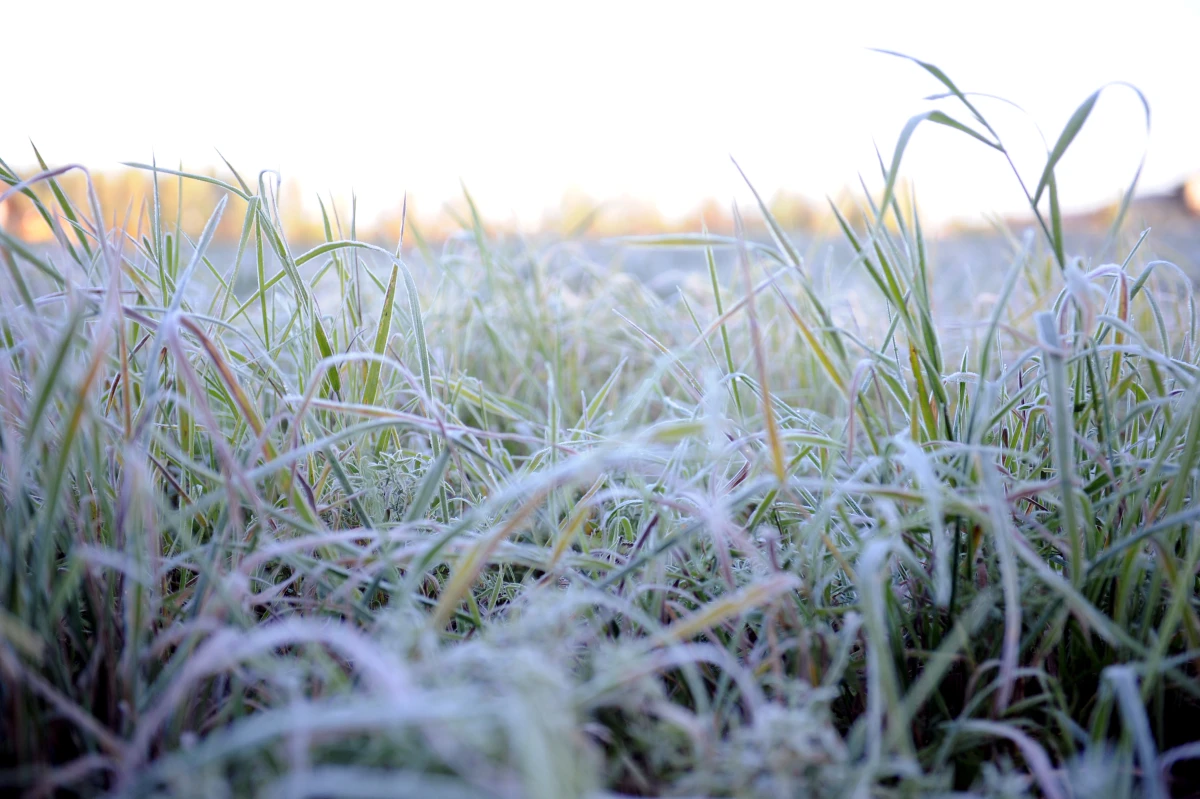
After warm weekends, cold Arctic air will begin to flow into Latvia. Meteorologists warn: at the end of May, nighttime temperatures may drop to zero and below in some places.
The weather in Latvia is set to change dramatically in the coming days. After nearly summer-like warmth, cold air from the Arctic will arrive in the country next week, and frosts are possible at night.
According to the latest forecasts from meteorologists, in some nights, the air temperature may drop to zero degrees in places, and at grass level — even a couple of degrees lower.
The contrast is particularly noticeable against the backdrop of the situation in Western Europe. While Portugal and Spain are expecting heat up to +40 degrees, the Baltic states will find themselves in the path of cold northern air masses.
On Saturday, Latvia will still experience warm weather. With a light to moderate westerly wind, the air will warm up to +20…+24 degrees, although it will be cooler on the coast — around +13…+17 degrees.
However, it will become a bit colder by Sunday. Brief rains will occur in places, and the wind will strengthen.
Next week, the weather will become much more unstable.
Meteorologists predict periodic rains, with thunderstorms and even hail possible in some areas. The wind will mainly be from the north and northwest, at times gusty.
On the cloudiest days, the temperature in certain regions of the country may not rise above +10 degrees.
Importantly, the end of May is usually considered the time of active flowering and the beginning of the planting season, so possible frosts could pose a problem for gardeners and vegetable plot owners. Young plants, flowering trees, and seedlings may be particularly sensitive to the cold.
According to the European Centre for Medium-Range Weather Forecasts, cool weather may persist into early June. At the same time, meteorologists do not rule out that later summer may quickly make up for lost time — after the cold period, heat may arrive.
Such sharp weather contrasts in Europe have been occurring more frequently in recent years, with extreme heat in the south of the continent coexisting with cold intrusions in the north and east.














Leave a comment