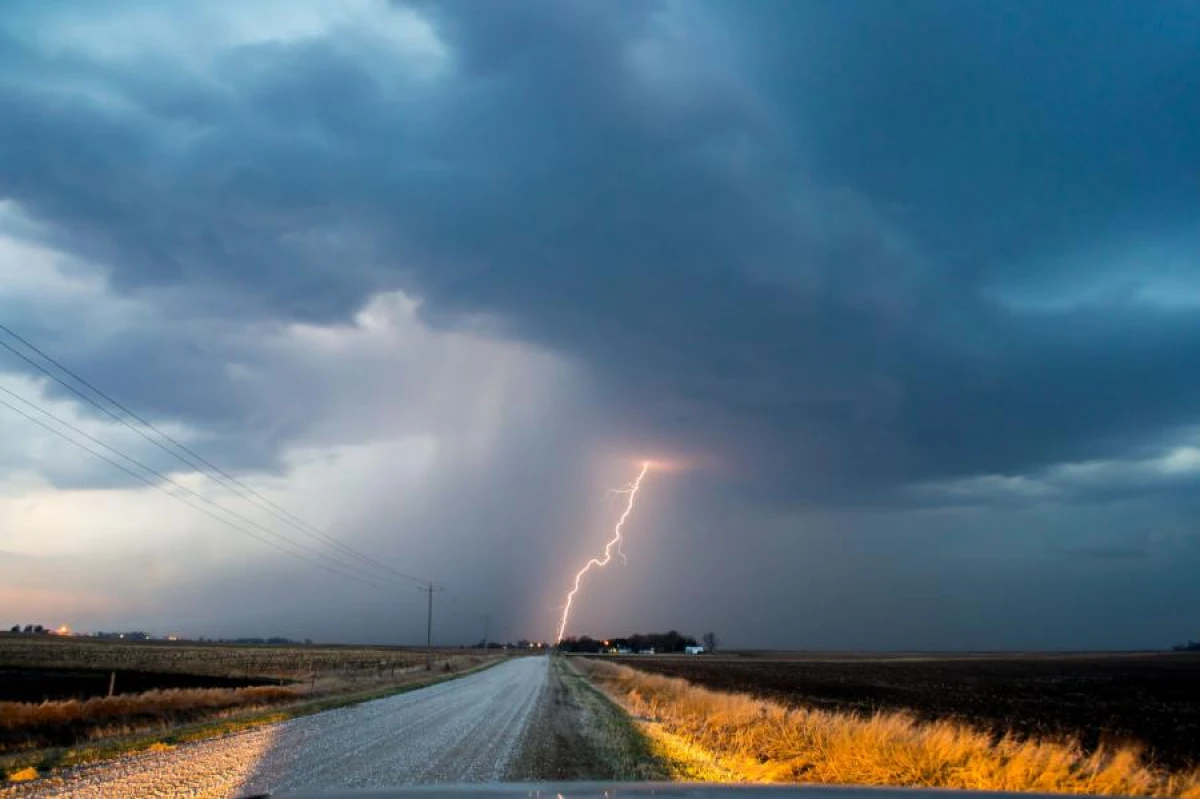
Observer of natural signs Vilis Bukshs predicts that May in Latvia will be changeable but generally warmer than usual, with thunderstorms and periods of almost summer heat.
May is traditionally called the month of leaves, sowing, and flowers. It is the time when trees are fully covered with foliage, gardens bloom, and nature finally awakens after winter. With the warmth come the first spring thunderstorms, and edible mushrooms — morels, false morels, and other species — begin to appear in the forests, marking the traditional start of the mushroom season.
In May, the world of birds becomes particularly lively: at the beginning of the month, the nightingale starts to sing, followed later by the corncrake and the oriole. By mid-month, the last migratory birds return. This is also the period when many animals give birth, and mosquitoes and midges become active in damp areas.
In folk tradition, May was considered a time for gathering medicinal plants — they were collected after sunrise during the full moon. This year, such days fall at the end of the month.
Folk Calendar: What May Dates Mean
Each day in May is associated with observations of nature and forecasts for the future, as noted by Vilis Bukshs in his blog "Mans laiks":
1 May: It was believed that trees "bleed," so they should not be cut down. Warm weather on this day foretells a good harvest in the autumn. 6 May: If the bird cherry blooms early, summer will be hot. Morning dew was considered healing. 7 May: The best day for planting onions — they will grow large and keep well. 8 May: The rainbow was used to determine future harvests — yellow for barley, green for wheat. 9 May: A suitable time for planting potatoes, beans, and sowing peas. 14 May: Good weather predicts a bountiful autumn harvest; rain and cold predict a harsh winter. 15 May: The beginning of the real sowing period when nightingales sing actively. 23 May: A day when no work was done in the fields; a red sky at dawn predicts a stormy summer. 25 May: The symbolic "opening" of summer; a hot morning indicates a dry season. 27 May: Time to sow flax and plant cucumbers; many mosquitoes predict a rich berry harvest. 28 May: Late sowing of oats and wheat; warmth on this day indicates a warm summer.
What Weather is Expected in May
According to folk observations, if the beginning of May is warm, its end will be cool, and vice versa. A rainy May promises a dry summer and autumn, while fogs indicate a fruitful season. Thunderstorms in May were considered a good sign — indicating a rich harvest.
Preliminary forecasts suggest that May this year will be close to the climatic norm, but with a tendency towards warmer temperatures. In the eastern regions of the country, slightly higher temperatures than usual are expected, while near the sea, temperatures will be closer to average values. Precipitation will be unevenly distributed, but overall it may exceed the norm.
The first half of the month promises changeable weather: warm and sunny days will alternate with cooler ones, with possible short-term rains and even spring thunderstorms. Temperatures in early May are expected to range from +16 to +22 degrees during the day, followed by a possible cooling to +10…+15 degrees and nighttime frosts.
By mid-month, it will warm up again, and closer to the twenties, temperatures may approach +25 degrees. In the second half of May, almost summer weather is likely — up to +28 degrees, but with thunderstorms, downpours, and localized hail.
What’s Next?
If we look at long-term trends, summer this year may be predominantly warm and dry, at times even hot, but with periodic strong thunderstorms.