In Latvia, with the support of EU funds, heating supply has been significantly modernized in recent years, however, in the regions, heating tariffs still vary significantly and in many places are higher than in Riga, according to the State Audit report, writes LETA.
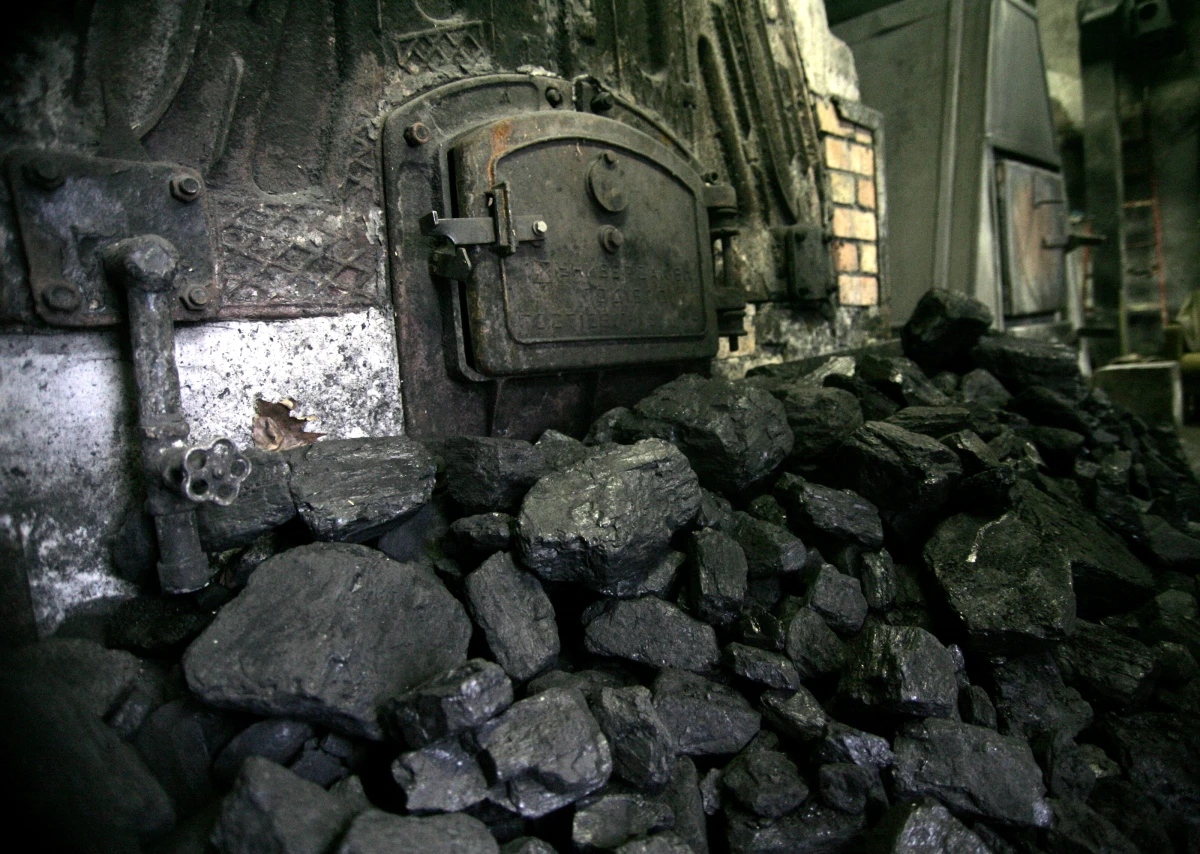
The State Audit notes that in Latvia, inefficient Soviet-era boiler houses have been replaced, heating networks have been reconstructed, and in many places, natural gas has been replaced by biomass, which has increased the share of renewable energy resources and reduced carbon dioxide emissions. However, especially in sparsely populated areas with a small number of consumers, outdated and economically difficult-to-maintain heating systems continue to operate.
The total length of heating networks in Latvia is about 2000 kilometers, of which 800 kilometers are in Riga. Last year, Latvia produced 7.216 million megawatt-hours of thermal energy, of which 44%, or 3.153 million megawatt-hours, was in the Riga heating supply system.
In March of this year, heating tariffs in Latvia ranged from 56 euros per megawatt-hour in Jumprava to 145 euros per megawatt-hour in the village of Penči, while in Riga, the tariff was 83 euros per megawatt-hour.
Member of the State Audit Council, Mārtiņš Aboliņš, emphasizes that not all centralized heating systems are sustainable in the long term.
"In small and underloaded systems, costs per consumer are high. Their maintenance and modernization in the future may become financially unfeasible and lead to unaffordable tariffs for residents if timely decisions about alternative solutions are not made," noted Aboliņš.
He emphasized that the Ministry of Climate and Energy needs to ensure a targeted and data-driven heating supply development policy.
Although about 70% of thermal energy in centralized heating in Latvia is produced from biomass, this does not always mean lower tariffs. The State Audit established that fuel type, labor costs, boiler age, and the number of consumers significantly affect prices.
In the audit sample from municipalities, the highest tariffs were recorded for heat produced from natural gas or firewood. When using natural gas, the cost of fuel accounts for 83% to 91% of the tariff, while in firewood boiler houses, labor costs reach 47–51% of the tariff.
Such technologies are still widespread. In the included municipalities, there are 102 firewood boilers with an average age of 16 years and 61 gas boilers with an average age of 17 years.
The State Audit also points out that in Latvia, there are still centralized heating systems with boilers older than 20 years, for which EU funding may not be available in the future for replacement. In some cases, investments in modernization were made without EU funds and without sufficient tariff impact assessment. For example, in October 2025, the heating tariff in the village of Stikls in the Ventspils region reached 167.53 euros per megawatt-hour, while in Užava, it was 171.25 euros per megawatt-hour.
Some municipalities apply a unified tariff, combining the heating systems of the city and surrounding settlements into one tariff zone. For example, in Tukums County, a unified tariff is applied in Tukums, Džūkste, Seme, Slampē, Tume, Vīnebe, and Pure, while in Bauska County, a unified tariff will be introduced in December 2025.
According to the State Audit, this approach allows smoothing out cost fluctuations between systems of different scales and provides a more stable tariff, but it also has limitations. In municipalities without large cities or sufficient consumer density, such opportunities are absent. Moreover, a unified tariff may conceal the inefficiency of individual boiler houses and reduce the motivation for timely reorganization of problematic systems.
The State Audit concluded that Latvia lacks a targeted heating supply development policy. This complicates investment planning and increases long-term risks for system efficiency, especially in conditions where available EU funding will significantly decrease in the future and every decision will increasingly affect tariffs.
Analyzing state and Riga planning documents, the audit found that the goal of developing Riga's heating supply to significantly increase the share of renewable energy resources does not align with the role of the thermal power plants of JSC "Latvenergo," as defined in national documents, to ensure the stability of electricity supply.
The State Audit also points out that the goal of reducing losses in heating networks to 10% during the heating season is optimistic. In Latvia, the average loss level is 12%, while in Latgale, it is 15%. At the same time, only about 15% of networks have been modernized with the support of EU funds.
The audit pays special attention to the use of residual heat. This is heat that is generated as a by-product in industrial processes, power plants, or the service sector and would be released into the environment without centralized heating or cooling systems.
The State Audit concluded that in Latvia, the use of residual heat is hindered by unclear definitions, the absence of unified pricing principles, and regulatory uncertainty. Currently, heat from data centers, wastewater treatment plants, and manufacturing processes cannot be clearly integrated into tariffs, as it is not defined how to assess its value and who should cover the costs of integration.
According to the State Audit, such uncertainty creates additional risks for investors and hinders the targeted use of residual heat, especially in Riga, where a rapid transition to renewable energy resources is simultaneously planned.
In implementing the recommendations of the State Audit, the Ministry of Climate and Energy must define clear criteria for the development of heating supply systems in recommendations for municipalities so that they can make informed decisions about modernization without creating significant risks of tariff increases.
It is also planned to establish a unified definition of residual heat to reduce uncertainty in the industry and facilitate its integration into heating supply systems. The deadline for implementing the recommendations is 2030.