Waste collection tariffs in Latvia are constantly rising, but this has proven insufficient. European authorities decided to weigh in with new requirements for battery disposal.
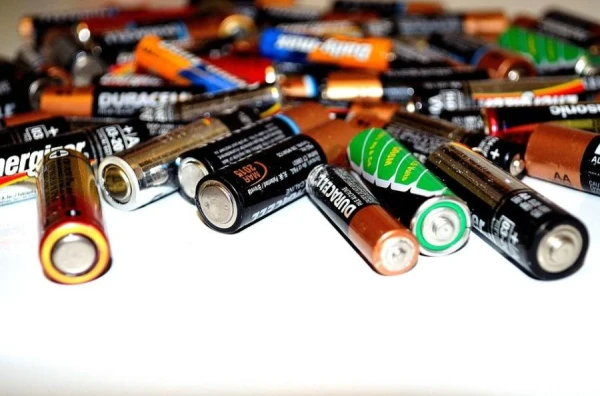
Eco Baltia vide reports that the new regulation on batteries and battery waste adopted by the European Union introduces stricter requirements for the sustainability of batteries, their collection, recycling, labeling, and material recovery, while reinforcing the principle that batteries are not only a convenient product for everyday use but also hazardous waste for the environment.
"While the turnover of batteries is considered a strategic issue at the European Union level, in Latvia, the recycling of batteries is still too often postponed or perceived as something secondary," the company points out.
Now, batteries will need to be accounted for not only by their chemical composition but also by their type of use, separating portable batteries, batteries for light means of transport, starter batteries, lighting and ignition batteries, industrial batteries, and batteries for electric vehicles.
Even more importantly, from 2027, the collection targets for batteries will increase. For portable batteries, they will rise from 45% to 63%, and in the coming years will even reach 73%. This means an increase in the collection target of 18 percentage points, or about 40% compared to previous requirements.
"These changes will inevitably affect waste management costs, which in the long term will also reflect on the cost of services," Eco Baltia vide reports.
The company also informs that according to the data from the State Environmental Service for 2024, more than 473 tons of galvanic cells and batteries were placed on the Latvian market under the producer responsibility system, while 222 tons, or 47% of the volume, were collected. This confirms a persistent trend: a significant portion of used batteries still does not enter the controlled and environmentally safe management system. However, the problem in Latvia is not related to the lack of separate collection infrastructure. Used batteries can be returned both at retail locations where new batteries are sold and at waste sorting sites.