By adulthood, one in three children in Latvia is overweight — and this is already affecting their future. Honorary doctor of the Latvian Academy of Sciences Peteris Apinis warns: the problem is systemic and requires urgent changes in schools.
In Latvia, the physical health of children is becoming an increasingly serious problem — by the age of 18, a significant portion of youth faces overweight issues. This was stated by medical commentator and honorary doctor of the Latvian Academy of Sciences, Peteris Apinis, in the program "Laiks Zinātnei."
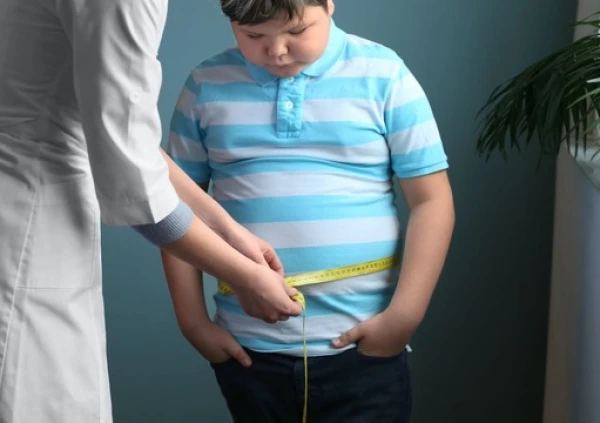
According to him, the problem does not arise suddenly but accumulates gradually during a child's growth. "About a third of children in Latvia reach overweight by the age of 18. This does not happen at seven years old — it develops gradually," Apinis explains.
He emphasizes that excess weight in youth leads to a whole range of consequences that can affect their future. "I don’t want to talk about obesity, but there is definitely excess weight in a third. And with it comes a whole range of problems," he notes.
In particular, physical fitness deteriorates, which limits career choices. "They try to pass the standards for the army — and they can’t. They can’t become police officers, they can’t work in several other fields simply because they do not meet physical requirements," says the specialist.
One of the key reasons he cites is the lack of physical activity in schools. In Apinis' opinion, the education system in Latvia does not provide children with the necessary level of movement. "A big problem in Latvia is that the education system and all bureaucratic structures do not find a way to ensure that every child has regular physical activity," he emphasizes. He cites Scandinavian countries as an example: "In Norway or Sweden, it is customary for every child to have at least one hour of normal physical activity daily — preferably outdoors. If we could provide that, our children would be much healthier," Apinis believes.
He also points out the demographic problem and educational priorities: "We already have few children, but we put them in classrooms and force them to study theoretical subjects instead of allowing them to move more, think, and engage in physical activities."