In Latvia, more than 100 people — both adults and children — are currently awaiting life-saving organ transplants, reported LETA by the public relations representative of the Pauls Stradiņš Clinical University Hospital (PSKUS), Zane Greta Grants.
The hospital acknowledges that one in seven patients does not live to see this opportunity.
The National Transplant Coordination Service PSKUS has launched an information campaign urging the public to express their decision on organ donation. This can be done with a simple mark in the e-health system.
"It is also important to inform your loved ones about your decision. This helps to lift the heavy burden of choice from the shoulders of family members at a time when they are already facing painful loss," explained Grants.
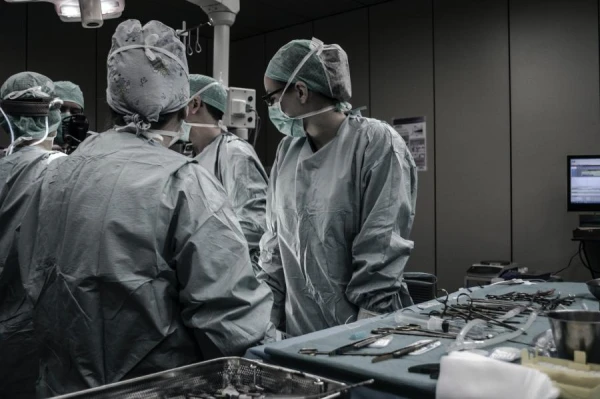
She noted that organ transplantation becomes possible in cases where a person experiences brain death after a severe illness or injury, such as a heart attack, stroke, brain hemorrhage, or prolonged lack of oxygen. Brain death means the death of a person; however, medical equipment can temporarily maintain the function of individual organs, allowing them to be donated to other patients.
In Latvia, organ transplantation is fully funded by the state and is conducted at PSKUS, where heart, kidney, liver, and cornea transplantation programs are carried out.
The National Transplant Coordination Service PSKUS continues to strengthen the transplantation system by implementing new initiatives, expanding international cooperation, and raising public awareness about shared responsibility in donation issues, emphasized Grants.
She added that this year an important step in the development of the field is expected — PSKUS's joining of the international organ exchange organization Scandiatransplant, which unites transplantation centers in Denmark, Sweden, Finland, Norway, Iceland, and Estonia.
Participation in this network means that in cases where there is no available organ in Latvia necessary to save a patient’s life, a donor can be found in a region with a population of about 30 million people. This will provide a unified waiting list and increase patients' chances of receiving a suitable organ.
As reported, last year PSKUS performed 50 kidney transplants, five heart transplants, eight liver transplants, and 24 cornea transplants. In Latvia, there are 25 registered deceased organ donors, as well as three living kidney donors.
In the e-health system (E-veselība), 46,623 residents expressed their decision on organ, tissue, or body donation in 2025, which is 30% more than at the beginning of the year. Of these, 26,729 people consented to the use of organs after death, forming more than 4,000 new potential donors over the year. Overall, about 2.5% of Latvia's residents have taken advantage of this opportunity. At the same time, compared to 2024, there has been a decrease in the number of consents from the relatives of donors, the hospital noted.