After a long discussion, the Cabinet of Ministers on Wednesday approved amendments to the law on social services and social assistance, providing for an increase in the coefficients used to calculate housing benefits during the winter period from January 1 to April 30, 2026.
The decision was made despite objections from the Latvian Association of Local Governments (LALG) and the Latvian Confederation of Employers (LCE), as well as a call from Minister of Agriculture Armands Krauze to postpone the consideration of the issue for a week.
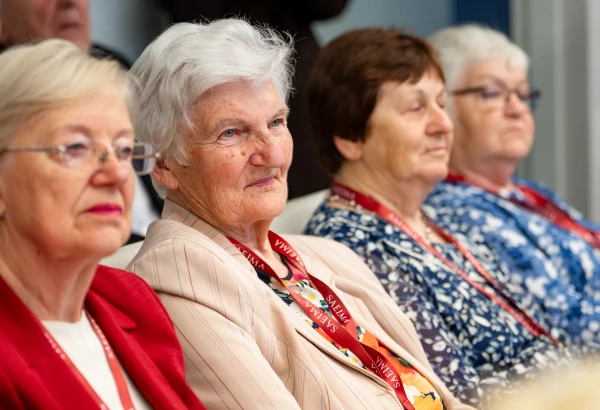
The draft law provides for an increase in the coefficient for calculating benefits for single pensioners or disabled persons from 2.1 to 2.5, for households consisting only of pensioners or persons with disabilities, as well as for such households with children - from 1.7 to 2, and for other households - from 1.3 to 1.7. It is expected that from January to April, the number of recipients of housing benefits will increase by 7,571 people - from 33,040 to 40,611, and the average amount of the benefit will increase by 46.15 euros - from 158.62 euros to 204.77 euros per month.
The draft law also stipulates that social service workers performing additional work may receive a supplement of up to 30% of their monthly salary, in addition to the maximum bonus amounts established by regulations for 2026.
It is expected that the workload on these workers will significantly increase, as they will have to manually check each client's case and recalculate already provided housing benefits.
The Minister of Agriculture urged to postpone the decision on this issue, as new circumstances have arisen - ten objections from the LALG need to be studied.
However, several ministers opposed the postponement, stating that the cold and emergency situations in families are happening "here and now," and people have already received bills.
Finance Minister Arvils Aseradens noted that this issue has been on the government's agenda for more than two weeks, and people are counting on support.
The LALG, in its objections, pointed out that the proposed mechanism creates significant administrative and bureaucratic burdens and covers less than 1% of the population.
Moreover, no additional revenues are provided in the budgets of local governments. The LALG believes that the state should fully compensate for both the increase in benefits and bonuses for workers.
The LCE opposed the draft law as a whole, believing that the problem of cold winter months cannot be solved with such amendments, as the ratio of heating tariffs to pensions and salaries is currently more favorable than in previous years. As an alternative, the LCE proposes allowing residents to pay heating bills until the next season without penalties, as well as expanding the protected group to include all families with children.