
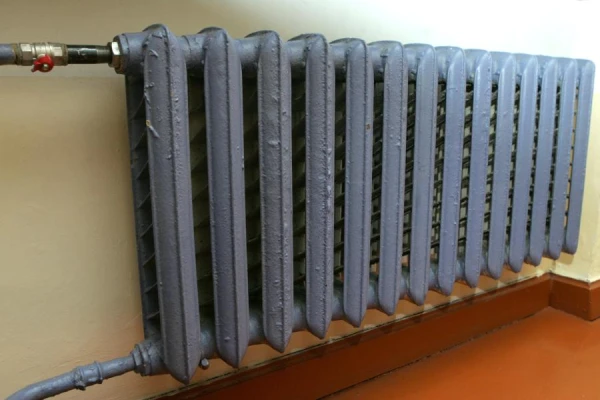
January heating bills for residents of the largest Latgale cities will be significantly higher, as the weather outside is unlike previous winters.
As stated by the municipal heating companies of Daugavpils, Rēzekne, and the Ludza region, more funds have been invested in boiler houses so far, but in the future, the focus should be on repairing heat pipelines and insulating homes.
"At the moment, there is no crisis in the energy sector," agreed the directors of "Daugavpils siltumtīkli" and "Rēzeknes siltumtīkli" Guntars Gogulis with the statement of Prime Minister Evika Siliņa. The dependence on natural gas has been overcome, but in such weather conditions, with severe frost, it is necessary to use it. The most in-demand fuel at the moment is wood chips.
Dushkevich noted that it is less profitable for small heat producers to buy fuel than for large ones: "It is easier for them [wood chip suppliers] to deliver their entire volume in one place than to distribute it across all of Latgale. Therefore, I assume that we will probably get this chip a little cheaper than other municipalities.
This is agreed upon by Juris Vorkalis, a representative of "Ludzas novada sabiedriskie pakalpojumi." Although heating tariffs in Latgale this year are not the highest compared to other cities in Latvia, the total bill will also be influenced by the readiness of the infrastructure, including whether apartment buildings are insulated and how exactly. "This is quite an expensive pleasure for the Latgale region, and not every second house can afford it," said Vorkalis, "we know the mood and attitude of people, as well as their purchasing power." However, even if residents are not ready to fully renovate the entire building, a significant reduction in heat losses will be achieved through the insulation of external walls or attics, and the replacement of windows and doors in stairwells.
In Rēzekne and Daugavpils, it was noted that heat pipelines need to be renovated. "This summer, we invested quite a lot of resources in preventing accidents because the pipelines are aging," said Gogulis.










Leave a comment