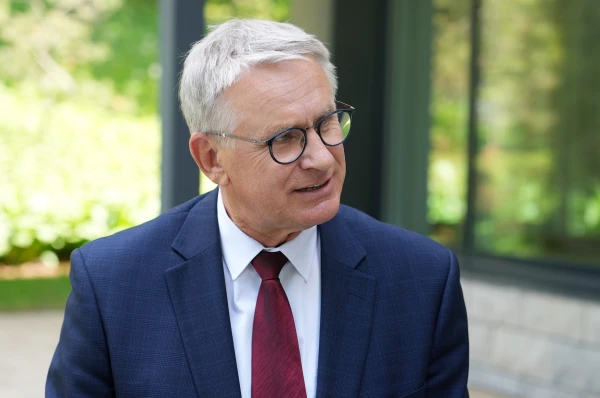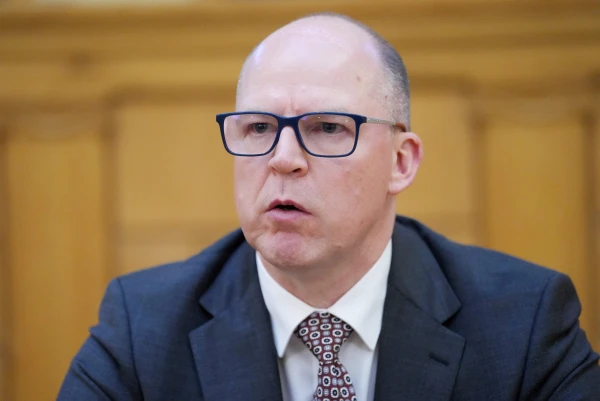
Currently, the mechanisms for temporary protection against violence are not functioning at full capacity, and the situation is unsatisfactory, acknowledged the new Attorney General Armīns Meisters on Thursday in the Latvian Radio program "At the Intersection."
Observing the daily summary of events, Meisters concluded that these protection mechanisms are not functioning at full capacity, as too many criminal cases are initiated due to their violations.
He noted that he is not an expert in strengthening the security interests of the protected person, but it is necessary to understand what measures are currently being taken, including how promptly and adequately the police respond to calls.
It is essential to understand at what stage these mechanisms fail and why a situation arises where the threat becomes real and the protected person suffers.
"I am not satisfied with the current situation. Investigating cases of violence will remain one of the priorities of the prosecutor's office," Meisters said, adding that at the same time it is necessary to maintain a balance, as the abuser also has rights and cannot simply be immediately imprisoned.
To address this issue, Meisters plans to organize press conferences or other public campaigns of the prosecutor's office to demonstrate through specific examples that adequate and unavoidable punishment follows domestic violence.
It has already been reported that a mechanism for temporary protection against violence has been in place in Latvia for several years. A victim of violence can apply to the court for temporary protection, and a decision can be obtained within 24 hours.
The court can impose one or more of eight possible protective measures, such as obliging the abuser to leave the home or prohibiting contact with the victim.
For failure to comply with the temporary protection order against violence, the Criminal Code provides for imprisonment of up to three years, probation supervision, community service, or a fine.