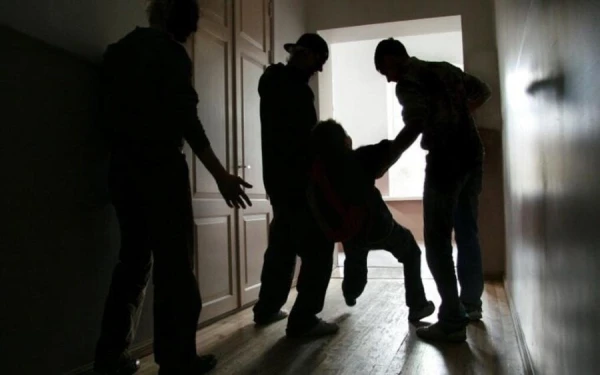
Despite the amendments made to the regulations, cases of violence against teachers and other staff in educational institutions have increased, and aggression often comes from both students and their legal representatives, points out the Latvian Trade Union of Education and Science Workers (LPRON).
In a letter to Prime Minister Evika Silina, LPRON notes that the number of requests for help in addressing cases of violence is constantly increasing, as neither teachers, school administrations, nor municipal education authorities are able to cope with such situations. There are often cases where responsible authorities evade their duties or act unprofessionally.
The union emphasizes that the safety of children must be a priority, as violence seriously affects the learning environment and threatens the emotional safety of both students and staff. However, educators are forced to address social issues outside their competence, which, as noted in the letter, can lead to teacher burnout.
LPRON insists on targeted and coordinated participation from all responsible structures. As stated in the letter, schools too often have to solve problems independently that require inter-institutional cooperation. The division of responsibility among teachers, parents, local governments, and state institutions often remains unclear, the existing regulations are not always applied consistently, and preventive work from responsible authorities and timely involvement of parents is insufficient.
The union calls for strengthening inter-institutional cooperation and clearly defining the responsible authority. It also insists on increasing parental accountability and clarifying their responsibilities in the law on the protection of children's rights.
Additionally, LPRON asks the Prime Minister to appoint a responsible authority that would coordinate the interaction of all parties involved. This authority should ensure the search for prompt and effective solutions to reduce violence, as well as assess the need for changes in regulations to enhance accountability in cases where violence was not prevented or occurred.
To prevent emotional and physical violence in educational institutions, institutional cooperation has been strengthened over the past year, mechanisms for identifying cases of violence and measures have been clarified, and support for all parties involved has been expanded, according to the report from the Ministry of Education and Science (MoES) on the work done, which the government reviewed in mid-September.
Over the year, amendments to regulations have been adopted that provide for the urgent convening of cooperation groups in emergency situations. Each school is required to implement a program to reduce or prevent violence, taking into account the age of the students, as well as to acquire special knowledge about the protection of children's rights, including methods for reducing violence.
Furthermore, an algorithm for resolving cases of violence in educational institutions has been created, which is used by more than 3,600 teachers and school staff. The algorithm contains a step-by-step action plan for various situations when a student poses a threat to their own or others' safety.
The MoES noted that most planned activities have been completed within the established deadlines.