
The freshness of the water plays a crucial role.
The path to rich and flavorful coffee lies in acquiring an expensive coffee machine. This is what those who do not believe that it is possible to make an excellent invigorating drink at home without serious expenses and bulky equipment think. In reality, this opinion is mistaken. There are several methods that allow you to enjoy exemplary coffee at home without purchasing a complex and costly device. Some methods are easy, others require some skill, but each ultimately yields a luxurious result.
What Affects Coffee Quality
Before trying one of the brewing methods, it is worth remembering what directly determines the result. Each method relies on four basic principles:
Freshness of the beans plays a crucial role. It is better to take coffee roasted no later than a month ago and grind it just before brewing.
Tap water often contains chlorine and other impurities that destroy the flavor. Therefore, only filtered water with a mineralization level of 75 to 150 mg per liter is suitable. The drink is poured with water heated to 92–95 °C. The appropriate temperature can be calculated even without a thermometer. After the kettle has boiled, you need to time one minute before pouring.
The classic ratio for most methods is 60 g of ground coffee per 1 liter of water. The grind size depends on the brewing time: the longer, the coarser.
Coffee in a Cup
The simplest method without purchasing special devices. For 100 ml of water, 6-7 g of medium-ground coffee is used. After pouring, wait for 4 minutes, then use a spoon to break the foam cap and let the grounds settle to the bottom for another couple of minutes. The result is a dense drink with sediment.
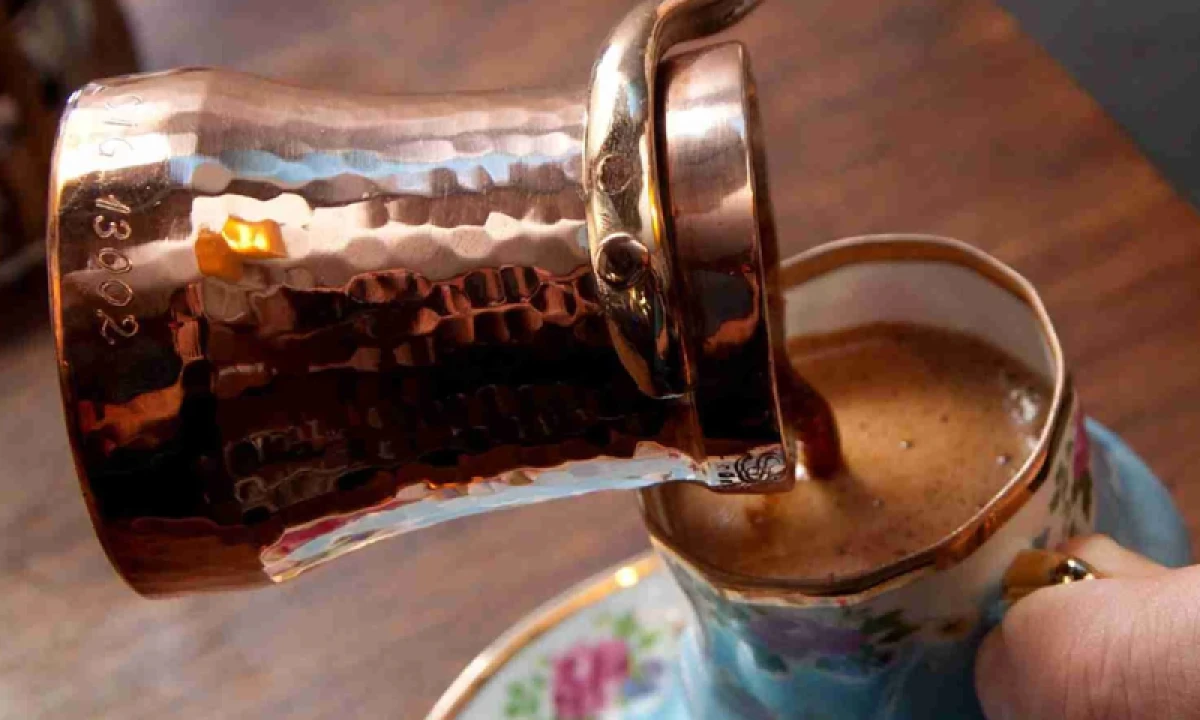
Turk (Jezva)
A classic method with a centuries-old history. For every 100 ml of water, 10 g of finely ground coffee, almost to a powder, is taken. The mixture is poured into a narrow container up to the point of narrowing and placed on low heat.
As soon as the foam begins to rise, the pot is removed from the heat before boiling. This rising is repeated twice.
It is ready in 5–7 minutes. The taste is thick and soft.
French Press
In a glass container with a plunger, brewing lasts 4–5 minutes. For this method, coarse grind (similar to breadcrumbs) is used, and water at 93 °C is poured. After a while, a crust forms on the surface. It is stirred, waited for another 2 minutes, and then the filter is gently lowered.
The result is a rich, rounded flavor. The device costs significantly less than a professional coffee machine.
Moka Pot
A three-chamber device that works on the stove uses steam pressure.
The lower chamber is filled with water up to the safety valve mark. Medium-ground coffee is poured into the funnel without tamping. The structure is screwed together and placed on medium heat. As soon as the hissing stops, the coffee maker is removed. The drink is close in strength to espresso.
V60 Funnel
A pouring technique through a paper filter. A conical funnel and a kettle with a thin spout are needed.
Medium-ground coffee, similar to granulated sugar, is first moistened with a small amount of water for half a minute. Then the remaining water is carefully poured in circular motions over 2–3 minutes.
The result is a light, clear coffee with pronounced acidity.
Chemex
A glass vessel with a thick paper filter produces a soft, balanced drink without bitterness. The grind is medium-coarse.
The actions are the same as with V60, but due to the special shape of the flask, the cycle takes 4–5 minutes. It is convenient to brew several cups at once.
AeroPress
A device resembling a medical syringe. A paper filter is placed in the chamber, 15–18 g of medium-ground coffee is added, and hot water is poured in. After 30 seconds, the plunger is gently pressed for about 20 seconds.
This method allows for varying the density from thick to almost transparent.
Drip Packet
A disposable paper packet with pre-ground coffee is attached to the edge of the cup. 150–180 ml of hot water is slowly passed through it. After 2–3 minutes, a clean light drink is ready. To achieve the desired result, water should not be poured all at once.
Useful to Know
Black coffee without additives contains more antioxidants than green tea and promotes dopamine production. Harvard scientists have found that moderate caffeine consumption reduces the risk of developing type 2 diabetes and Parkinson's disease. However, this fact is true only for the drink without sugar and cream.
The coffee tree begins to bear fruit 3–5 years after planting, and up to 2 kg of beans can be harvested from one plant per year. Brazil has held the status of the main coffee producer for decades, while Finland ranks among the leaders in consumption. There, an average of 4 cups are consumed per day.













Leave a comment