The image of ideal relationships has long been considered the standard: absence of quarrels, harmony, and external well-being. However, psychologists increasingly say that it is these unions that turn out to be the most vulnerable.
Silence Instead of Dialogue
In many "perfect" couples, conflicts are essentially forbidden. Partners try not to address issues in order to maintain calm and a beautiful image. As a result, grievances accumulate but are not expressed, which over time leads to internal tension and a breakup.
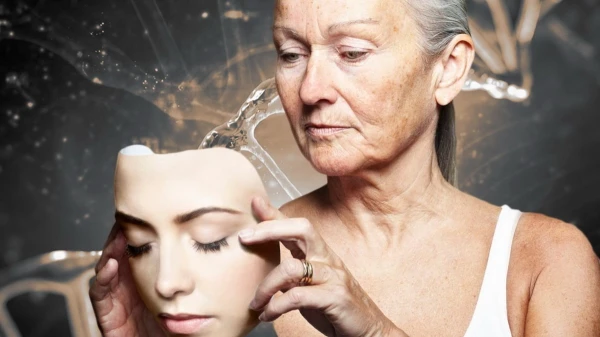
Living by Role, Not by Feelings
The desire to conform to the image of the "ideal partner" requires constant self-control. In such relationships, there is often no room for weakness, fatigue, and genuine emotions, without which true intimacy is impossible.
Relationships "Out of Necessity"
From the outside, such unions appear stable and correct, but inside they may be held together by obligations — for the sake of family, status, or the opinions of others. Meanwhile, the emotional connection between partners gradually weakens.
Lack of Skills to Endure Crises
Couples who know how to argue and make up cope better with difficulties. In "ideal" relationships, such skills are often underdeveloped, so when the first serious crisis arises, partners find themselves unprepared to overcome it.
Unrealistic Expectations
When relationships are initially perceived as flawless, any imperfection becomes a disappointment. Partners begin to see each other not as living individuals but as discrepancies to the created ideal.
Psychologists emphasize: strong relationships are built not on the absence of conflicts but on the ability to speak honestly, accept imperfections, and go through difficult periods together.