
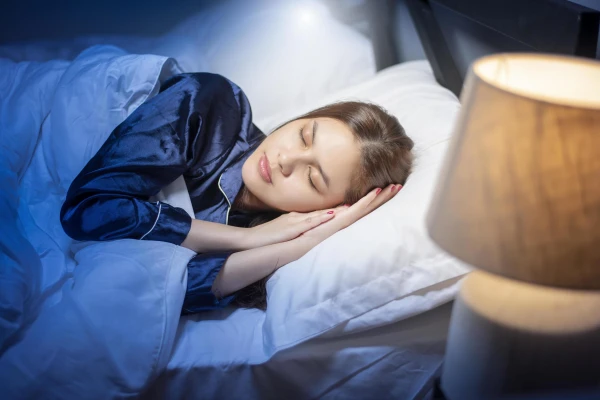
It is commonly believed that a person needs to sleep at least 7–8 hours a day for normal well-being. Lack of sleep is associated with fatigue, decreased concentration, and health risks. However, scientists confirm that there is a small group of people for whom this rule does not apply.
Who Are the "Short Sleepers"
We are talking about people who need only 4–6 hours of sleep without any negative consequences. They maintain high productivity, do not experience chronic fatigue, and demonstrate normal cognitive performance.
This trait is extremely rare and, according to research, is linked not to habits but to genetics.
Genetic Explanation
Scientists have identified several genes that influence sleep duration. One of them is associated with the production of orexin—a substance that regulates wakefulness.
In "short sleepers," these mechanisms work differently: the brain recovers faster, and wakefulness periods become more stable. As a result, they require less time to rest.
Experiments on animals have confirmed this hypothesis: changes in certain genes led to reduced sleep without impairing memory and attention.
Can You "Learn" to Sleep Less?
Researchers emphasize that this is not a skill that can be developed. Attempts to artificially reduce sleep in ordinary people generally lead to health deterioration.
"Short sleep" is an innate trait, not a result of training or discipline.
Future Prospects in Science
Interest in this topic is growing, and scientists are exploring the possibility of influencing sleep mechanisms. In particular, the use of CRISPR gene-editing technology, which is already applied in medicine, is being considered.
Theoretically, it could allow for changes in the functioning of genes related to sleep. However, in practice, this is an extremely complex task: sleep is regulated not by a single gene but by an entire system.
What This Means for the Future
If such technologies become a reality, it could change the usual rhythm of life. People would have more time, but new questions would arise—how to use it and what consequences it would have for health and society.
For now, "short sleepers" remain a rare exception that helps scientists better understand how the human body truly works.














Leave a comment