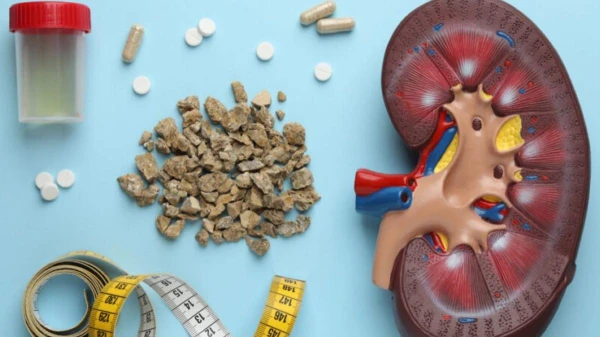
Nutrition helps control many diseases, including stopping the formation of kidney stones. What foods should be included in the diet, and which should be excluded? "Doctor Peter" explored this with an expert.
Urolithiasis is a chronic metabolic disease in which solid stones — concretions — form in the kidneys, ureters, or bladder. For a long time, stone formation may go unnoticed, but sooner or later, symptoms will manifest.
The process can be prevented through proper prevention. Urologist Silva Naski Ariel Alberto da told "Doctor Peter" how nutrition and lifestyle help maintain kidney health.
Nutrition Equals Prevention
Diet is a mandatory element of a kidney protection strategy. Adhering to it during and after treatment helps prevent the recurrence of stones. The recommended diet works in several directions at once:
-
slows down or completely stops the growth of existing concretions;
-
normalizes mineral metabolism — the balance of calcium, oxalates, phosphates, and other substances in the body;
-
maintains optimal urine acidity, which is critically important for prevention;
-
reduces the load on the kidneys, allowing them to function in a gentle mode.
It is especially important to achieve such conditions for people in at-risk groups: those who have had cases of urolithiasis in the family, those with chronic metabolic disorders (such as gout), and those whose work is associated with a sedentary lifestyle and irregular eating habits.
Universal Diet Rules for Everyone
If a person is prone to stone formation or has undergone treatment, it is important to follow simple dietary principles. They can be adjusted based on the type of stones, but several key rules apply to everyone.
It is necessary to maintain a proper drinking regimen. The recommended daily fluid intake is 2.5–3 liters. Pure or low-mineralized (table) water and fruit drinks are best. Adequate hydration reduces the concentration of salts in the urine and prevents their crystallization.
Fractional meals are recommended — 4–6 times a day in small portions. Dinner should take place 2.5–3 hours before bedtime. This helps evenly load the digestive and urinary systems.
In cooking, it is recommended to exclude methods such as frying and smoking. It is better to prepare food by boiling, stewing, baking, or steaming. This preserves the beneficial properties of the products and avoids overloading the body with excess fats.
Another important recommendation is salt control. Its consumption should be limited to 5 grams per day — about a teaspoon. Salt retains fluid and creates additional stress on the kidneys.
After consulting with a doctor and considering other health features, fasting days may be recommended. This helps normalize metabolism.
Focus on the Main
In 80% of cases, calcium oxalate stones form. Their formation is associated with an excess of oxalic acid and calcium salts in the urine. Therefore, there are products that should be included and, conversely, excluded from the diet.
Foods to Avoid
According to recommendations, foods that can increase oxalate formation in the urine should be excluded from the diet. These may include:
-
certain types of greens — sorrel, spinach, even parsley and cilantro;
-
vegetables and fruits, berries: beets, eggplants, certain types of cabbage, sour varieties of berries and fruits;
-
meat: fatty pork and offal;
-
concentrated broths, canned foods (especially fish).
Foods to Include in the Diet
There are foods that are recommended to be included in the menu. They will help support metabolism and kidney function. Attention should be paid to:
-
proteins found in lean meats (chicken breast, turkey, rabbit), fish (cod, pollock, haddock);
-
complex carbohydrates, such as legumes, cereals, pasta made from durum wheat;
-
vegetables, preferably boiled potatoes, zucchini, pumpkin, white and cauliflower, cucumbers;
-
fruits — seasonal apricots, pears, peaches, bananas;
-
dairy products, but their quantity should be limited and a doctor should be consulted beforehand.
The key rule within the diet is to eat fractionally, 5–6 times a day. It is necessary to avoid overeating, as well as prolonged fasting and extreme mono-diets.
Life After Treatment: Diet as Insurance Against Recurrence
Even after successful stone fragmentation (lithotripsy) or surgical removal, one should not relax. The diet during this period is the main measure that protects you from the recurrence of concretions. It is not as strict as during the acute period, but the list of recommendations remains quite extensive.
There are basic rules:
-
drinking regimen — 2.5–3 liters of fluid per day;
-
fractional meals — 5–6 times a day in small portions;
-
salt restriction — no more than 5 grams per day;
-
complete rejection of fried foods, smoked products, canned goods, marinades, and alcohol;
-
exclusion of rich meat, fish, and mushroom broths, as well as offal.
The diet is formulated taking into account the type of stones, so final recommendations are always given by the attending physician. Adhering to them helps reduce the risks of their recurrence.
Preventing stone formation in the kidneys is primarily a conscious approach to nutrition and lifestyle. There is no magic pill that will solve the problem once and for all. However, there are time-tested principles: abundant hydration, fractional meals, salt restriction, and avoidance of harmful products.