Looking to the past helps to understand that humanity has gone through difficult periods before.
The New Museum in New York City has officially opened its new building, which cost $82 million. Its construction took four years, and now the museum has effectively doubled its space: an additional 60,000 square feet (approximately 5,570 m²) has been added to the existing building, bringing the total area to 120,000 square feet (about 11,150 m²).
The new building was designed by the architectural firm OMA, led by Pritzker Prize winners Shohei Shigematsu and Rem Koolhaas, in collaboration with executive architect Cooper Robertson. It is conceived as an organic extension of the museum's main building, designed by SANAA and opened in 2007. The architecture emphasizes openness: a glass and metal panel façade, a central atrium visible from the street, and public space at the entrance.
The public spaces of the new building are complemented by contemporary art pieces. For instance, the façade features a work by Tschabalala Self, there is a monumental sculpture by Clara Hoskyns at the atrium stairs, and an installation by Sarah Lucas, created specifically for this location, is situated in the square in front of the entrance.
The new building includes a spacious lobby, a panoramic hall on the seventh floor with views of Manhattan, a store selling art books and limited editions, and a 74-seat auditorium for lectures, performances, and film screenings. The restaurant, featuring a signature menu by chef Julia Sherman – author of the book Salad for President – showcases the work of Ian Cheng and furniture created by designer Minje Kim.
On the upper floors, a new residency for artists has opened. According to director Lisa Phillips, it will allow the museum to expand its support program for creators from both New York and around the world. The building also features a permanent space for New Inc – an incubator for art and technology established by the museum in 2014. Among its participants are Simone Leigh, Sable Elyse Smith, and Jeffrey Gibson. Phillips noted that over the past decade, more than 730 graduates of the program have attracted over $28.9 million to develop their projects, which is why the incubator needed a separate space with modern facilities.
The museum is also launching a free monthly program for teenagers – Bowery Art Space. It will run alongside the two-year NewMu Teen Fellowship program. The project will collaborate with four public schools in the area and continue its partnership with local organizations working with youth, including the Hetrick-Martin Institute.
The new building is named in honor of the late curator and patron Toby Devan Lewis – a member of the museum's board who played a significant role in its development. In particular, in 2019 she donated $20 million as part of a fundraising campaign. "Lewis supported young artists and genuinely loved the museum. We were fortunate to work together for many years, and it is a great honor for us to preserve her memory and legacy," said Lisa Phillips.
The new building was initially scheduled to open in the fall of 2024. However, the timeline shifted due to the Covid-19 pandemic, which began just as preparations for construction were underway and affected both fundraising and the progress of work. The site itself also posed additional challenges: construction on Bowery, one of New York's oldest streets, proved technically difficult.
According to artistic director Massimiliano Gioni, the new space will allow the museum to realize more complex projects: "We have the opportunity to direct more resources and allocate more space for creating new works. Since we do not have a permanent collection, we focus on producing new works and supporting artists – the works remain with them and often find new owners after the exhibition."
The new building adds about 10,000 square feet (approximately 930 m²) of exhibition space. It already hosts the new exhibition New Humans: Memories of the Future, which occupies the entire museum – both old and new halls – and explores how technological and social changes alter the very notion of humanity. The exhibition features works by over 200 artists – from contemporary creators such as Tau Lewis, Wangechi Mutu, and Precious Okoyomon to 20th-century masters including Francis Bacon, Salvador Dalí, and Hannah Höch.
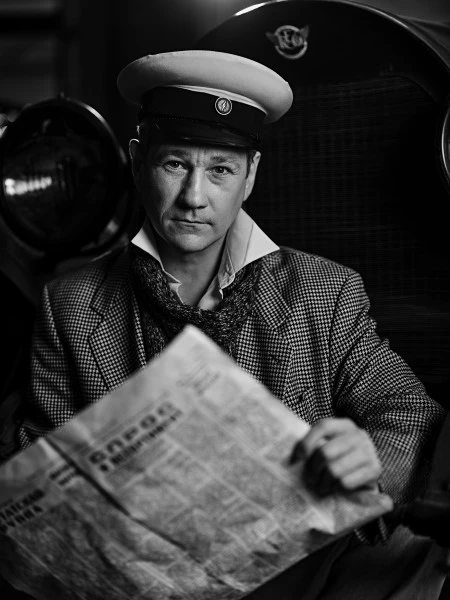
According to Gioni, the exhibition seeks to draw a parallel between today and the 1920s: looking to the past helps to understand that humanity has gone through difficult periods before. He added that the project also examines how new technologies have been allies of totalitarian regimes and the rise of fascism, and there are alarming parallels with the present.
This approach continues the museum's tradition. "Perhaps because we do not have a permanent collection, we see it as our mission to rethink the past from the perspective of today," says Gioni. "For 49 years, the museum has shown that art is a way to understand, interpret, and change the world beyond itself."
During the opening days, admission to the museum was free. In the future, a 'pay what you wish' system will be in place on Thursday evenings, and admission will remain free for visitors under 18 years old.