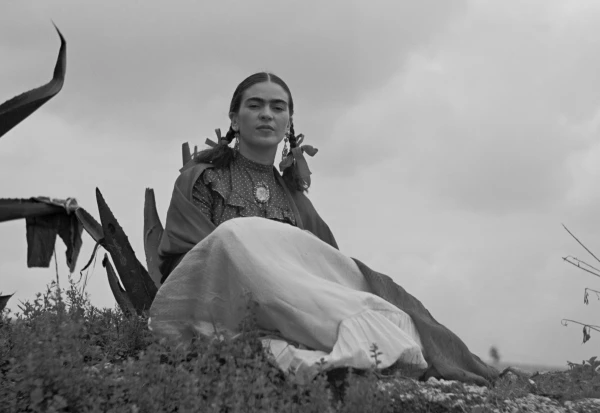
She has been viewed as a symbol of resilience in the face of physical disability.
“For over 30 years, we have seen numerous exhibitions of Kahlo, mostly retrospectives that hardly paid attention to her posthumous rise to fame,” says curator Mari Carmen Ramirez.
The Houston Museum of Fine Arts explores the theme of "Fridamania": a term that has been used since the 1990s, but according to the curator, this is the first attempt to systematically study its evolution.
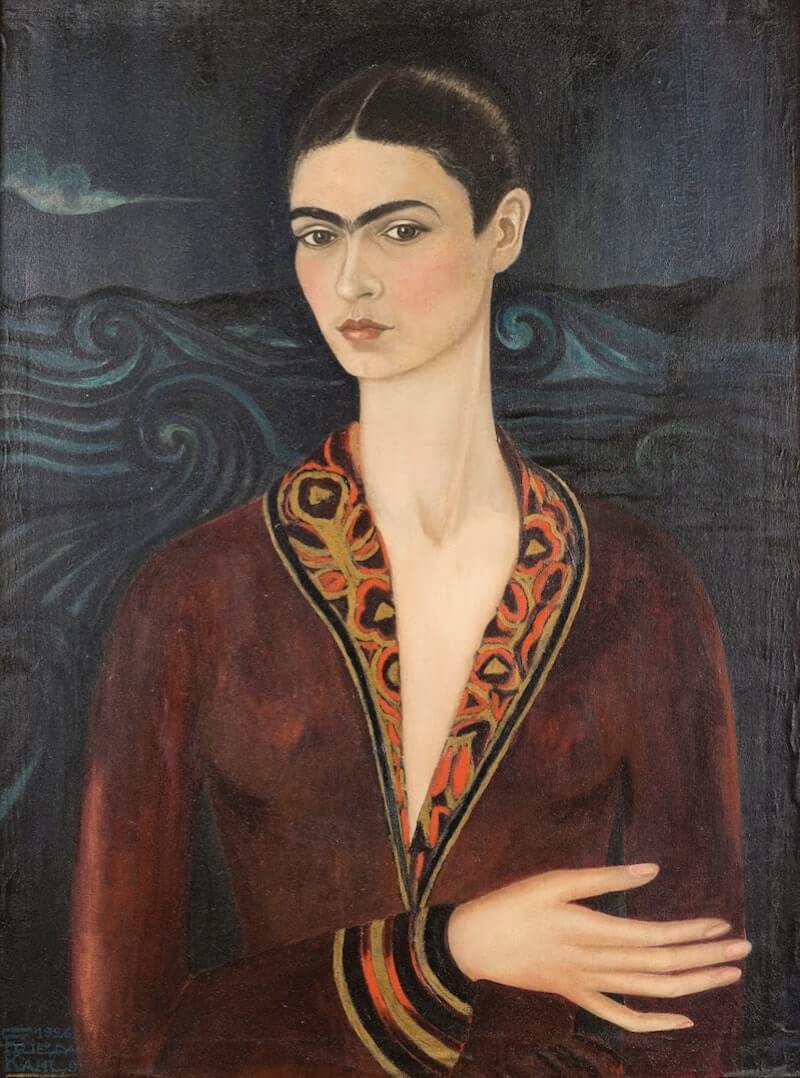
The exhibition combines Kahlo's personal belongings and 35 of her works, including "The Broken Column" (1944), as well as works by 80 artists from five generations who were influenced by her. Among them are well-known names such as Cuban-American artist Ana Mendieta from the 1970s and 1980s, and more contemporary authors like Mexican artist Berenice Olmedo, whose works focus on the theme of disability. The thematically organized exhibition includes sections that contextualize Kahlo's work and its connections to surrealism and neo-Mexicanism.
Another section analyzes how recently artists have begun to view Kahlo as a symbol of resilience in the face of physical disability. “In each case, artists, by appropriating Kahlo's motifs, reinterpreted them in projects addressing the issues of their time, such as gender equality or body politics,” says Ramirez.
.jpg)
In the summer, the exhibition will move to the Tate Modern in London. According to Tobias Ostrander, who is curating it at Tate, the structure will remain the same, but some of Kahlo's works will be replaced with others.
<iframe width="560" height="315" src="https://www.youtube.com/embed/CN3AxBmf7p0?si=S5JrVrASn87-igJP" title="YouTube video player" frameborder="0" allow="accelerometer; autoplay; clipboard-write; encrypted-media; gyroscope; picture-in-picture; web-share" referrerpolicy="strict-origin-when-cross-origin" allowfullscreen></iframe>