Climate change is making familiar resorts uncomfortably hot.
While mass tourism is devastating popular resorts and climate change is making familiar vacation spots unbearably hot in summer, tourists are changing their plans.
According to new data, tourists heading to Europe are increasingly opting for less explored regions and quieter off-season months.
Against the backdrop of overtourism in popular destinations and the fact that climate change is making traditional resorts uncomfortably hot in summer, travelers are changing their habits.
A study by Mabrian and Data Appeal has shown that foreign tourists are increasingly seeking more northern destinations and nature-based experiences during their trips across Europe.
The Popularity of 'Coolcation' is Growing
Classic destinations still hold an important place on travelers' wish lists: regions such as Lazio and Tuscany in Italy, Andalusia in Spain, and Attica in Greece will account for nearly a third of all foreign accommodations in Europe by 2025.
However, the regions where demand is growing the fastest paint a different picture.
The study recorded a growing interest in northern regions, such as southern Finland and the Vestland county in Norway.
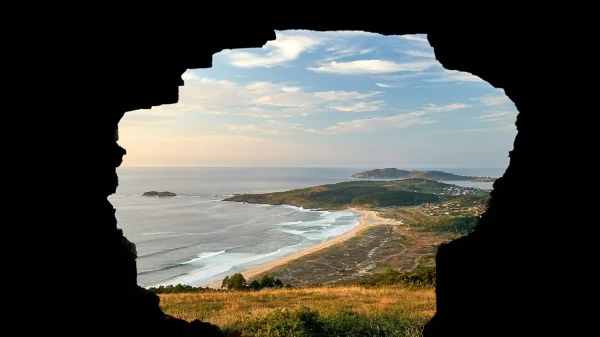
Tourists are also favoring northern areas of more southern European countries, such as Galicia in Spain, Trentino-Alto Adige in Italy, as well as Normandy and Alsace in France.
This reflects the growing popularity of so-called 'coolcations' — vacations in cooler climates, as rising temperatures push vacationers away from destinations traditionally associated with summer holidays.
Foreign tourists also seem to be seeking a more peaceful environment: this is indicated by the increased interest in regions of Central Europe, including areas in Croatia and Poland, as well as less crowded coastal destinations in Greece (such as the Ionian Islands) and Turkey (the Sea of Marmara region).
Destinations that vividly represent Europe's cultural heritage, such as Central Anatolia in Turkey and County Galway in Ireland, are also gaining more attention.
According to researchers, all these new destinations share a key feature: while culture remains a universal motivation for foreign travelers, the main incentive for these alternatives becomes nature and active tourism.
Foreign Tourists Choose the Off-Season
Data also indicates a growing desire to travel outside of peak season. Foreign guests are increasingly avoiding peak months — primarily July and especially August — and prefer off-season periods.
This again points to a desire to avoid overcrowding and summer heat.
"These data clearly show the opportunities for territorial and seasonal redistribution of tourist flows," noted a representative of Mabrian.
"It is crucial that these alternative destinations offer a wide range of tourism products and services, including fully functioning accommodations tailored to the preferences and needs of such long-haul travelers."
<iframe width="560" height="315" src="https://www.youtube.com/embed/jQJmzz6NZ44?si=ALfLEKV0nr2DpKC_" title="YouTube video player" frameborder="0" allow="accelerometer; autoplay; clipboard-write; encrypted-media; gyroscope; picture-in-picture; web-share" referrerpolicy="strict-origin-when-cross-origin" allowfullscreen></iframe>