
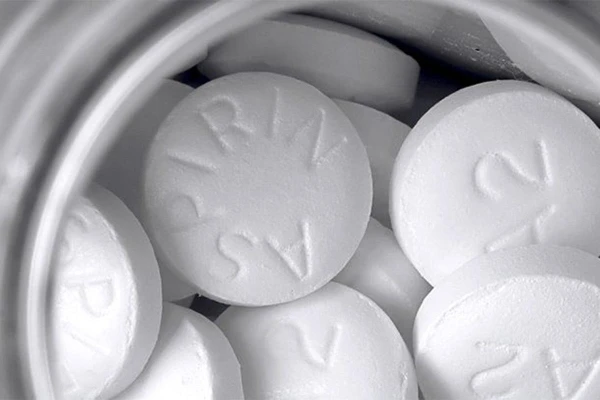
JAMA Oncology: regular intake of aspirin does not reduce the risk of developing cancer.
Regular intake of low doses of aspirin does not reduce the long-term risk of developing cancer in older adults and may be associated with increased mortality from oncological diseases. This conclusion was reached by researchers from Monash University, who published their work in JAMA Oncology.
The analysis included data from 19,114 individuals from Australia and the United States, primarily aged 70 and older. At the time of inclusion in the study, participants had no cardiovascular diseases, dementia, or significant limitations in self-sufficiency. Over several years, one group took 100 milligrams of aspirin daily, while the other received a placebo, after which the researchers continued to observe them without medication.
During a median follow-up period of 8.6 years, the researchers found no differences in cancer incidence between the groups—regardless of disease stage and the presence of metastases. However, the analysis showed that in the group that had previously taken aspirin, cancer mortality was 15 percent higher. Moreover, after the active phase of the clinical trial ended, this effect weakened over time, indicating the absence of long-term protective action of aspirin.
The authors emphasize that the results differ from earlier studies where a reduction in oncological risks was observed in middle-aged individuals. In their opinion, starting preventive aspirin intake in old age to prevent cancer is not advisable. Specialists recommend discussing individual cancer prevention strategies with a doctor rather than relying on universal solutions.
















Leave a comment