Most often, they are not even aware that they might be bothering someone, as they are used to relying on accepted behavior within their own country.
Now citizens of the People's Republic of China (PRC) can visit Russia with passports without visas - and stay there for up to 30 days. However, not everyone is happy with this decision — in different countries, there is still a belief that Chinese tourists are rude, do not follow rules of decency, and shout loudly, making them the worst guests in the world. Do today's Chinese correspond to this bad reputation?
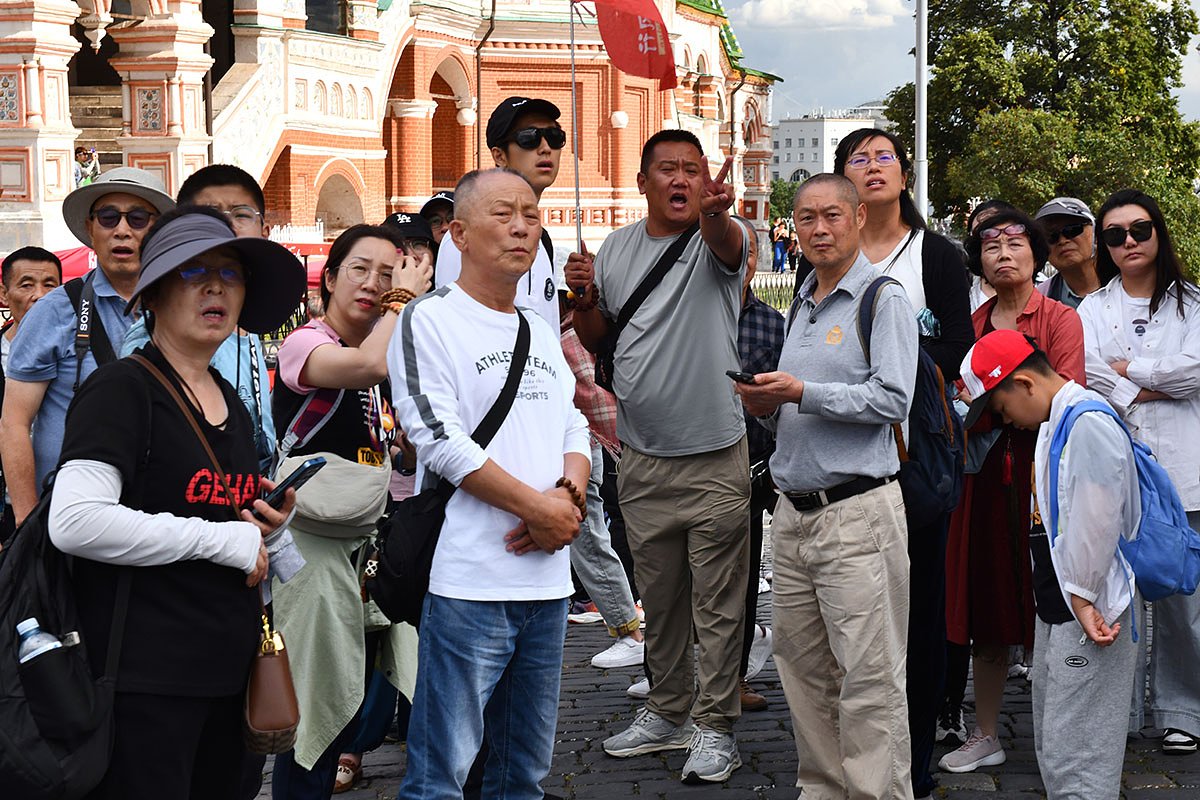
Optimistic views on the development of the tourism industry frighten ordinary citizens of those countries to which the residents of the Middle Kingdom flock en masse. According to travelers and locals, the reason for the poor reputation of Chinese tourists lies in the peculiarities of their mentality. For instance, elderly Chinese traveling in groups cause great irritation: they shout loudly, do not respect queues and rules, ignore warnings about prohibitions, litter, and are indifferent to others.
Experts note that Chinese tourists do not intentionally irritate locals. Most often, they are not even aware that they might be bothering someone, as they are used to relying on accepted behavior within their own country, the culture of which differs drastically from European due to a long isolationist policy. Therefore, for them, manners that are considered unethical from a European perspective are the norm.
"This is a mentality of 'I do what I want' and indifference to others, because that is how those who survived the 'Great Leap Forward' (an economic and social campaign in China led by Mao Zedong from 1958 to 1962) survived. Their children learn from them," said a Reddit forum user.
Residents of the PRC are used to being surrounded by people, so they uphold the idea that 'everyone is for themselves.' Basic rules of politeness are ineffective for them, as no one will miss their chance to take a place. Travelers from China do indeed often ignore prohibitions — they simply do not understand them. For example, it is absolutely normal for Chinese people to throw trash on the ground and leave food leftovers because they know someone will definitely clean up after them.
To find common ground with a Chinese tourist and their culture, it is essential first and foremost to maintain one's own 'face': do not mock China and its residents, treat guests with respect, and do not criticize their behavior. Residents of the PRC value emotional restraint much more than it may seem at first glance. Thus, the first impression is 'worth the most': a resident of the Middle Kingdom will appreciate an attempt to speak in their native language but will not be pleased with being pointed at — this gesture is considered offensive in China. Chinese people better understand explanations on diagrams and routes on a phone.
At the same time, they are quite superstitious and will not accept a gift of a watch, which they associate with death, or an umbrella — it sounds similar to the Chinese word for 'misfortune.' It is important not to give Asians sharp objects or any souvenirs in groups of four — this number sounds like the word 'death' in Chinese. Therefore, hospitals and other buildings in the PRC do not have rooms or floors with the number four.

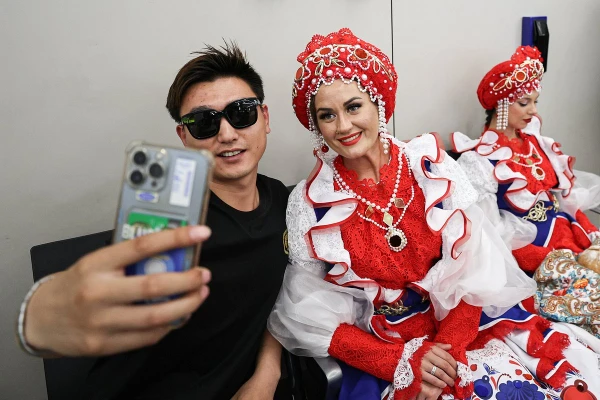
Guests from the Middle Kingdom always prefer to capture the moment in photos. Chinese people can unreservedly ask to take a picture together and even touch hair if they consider the color unusual — this is a sign of friendliness, not aggression. "I remember my experience: I traveled with two children aged four to five, with light hair and blue eyes. For the Chinese, they were like living dolls. At any convenient opportunity, they took pictures with us, touched the children, tried to hold their hands or stroke their heads," shared Russian Elena Liseikina.
Primarily, the goal of Asians' trips to Russia is cultural and educational tourism. They visit Russian attractions: museums, galleries, ballet. A fresh trend has emerged in master classes on cooking Russian dishes or painting matryoshkas. However, not all Chinese prefer gastro-tourism; many continue to eat Chinese food while traveling.
Moreover, tourists from the PRC come for shopping: they buy amber, which they call 'northern gold' and believe in its healing properties, furs, and jewelry. In any city, they eagerly purchase tourist products, and women buy cosmetics. The presence of Chinese tourists increases several times in the numbers before and after the Chinese New Year.
<iframe width="560" height="315" src="https://www.youtube.com/embed/Qu6XNbHkXNc?si=tFJu2DvJkxYFpi4q" title="YouTube video player" frameborder="0" allow="accelerometer; autoplay; clipboard-write; encrypted-media; gyroscope; picture-in-picture; web-share" referrerpolicy="strict-origin-when-cross-origin" allowfullscreen></iframe>