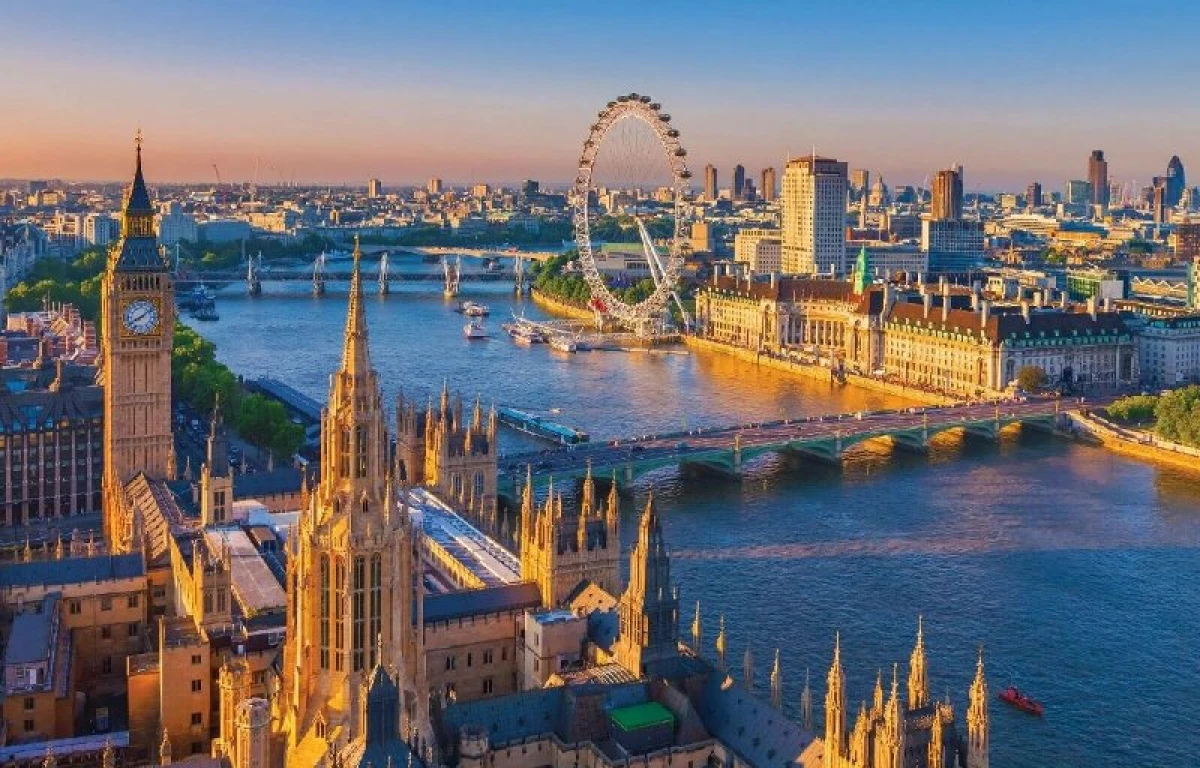
This year, London officially topped the Time Out Best Cities for Culture 2026 ranking, becoming the main cultural capital of the world. The study assessed major metropolises based on the level of development of art, museums, theaters, the music scene, and the overall cultural atmosphere.
The ranking was based on a survey of over 24,000 residents from different countries, as well as opinions from international experts. The British capital managed to surpass Paris and New York, which took second and third places respectively.
Experts noted that London continues to maintain its leadership thanks to its unique combination of historical heritage and modern cultural life. The city is home to dozens of world-class museums and galleries, many of which can be visited for free. Additionally, new cultural spaces are actively opening in the British capital, while old institutions are undergoing extensive renovations.
Particular attention in the ranking was given to the West End theater scene, which remains one of the most influential in the world. The music industry, festivals, stand-up comedy, and the diversity of cultural events—from experimental projects to large-scale shows—also received high marks.
Berlin and Cape Town also made it into the top ten of the ranking. The extended list included Taipei, Marrakech, Copenhagen, Guadalajara, Athens, Cairo, Beijing, Jaipur, Chiang Mai, and Lisbon—cities representing different regions of the world and reflecting the global diversity of cultural centers.
Representatives of Time Out emphasized that when compiling the ranking, not only the number of museums and theaters were considered, but also the accessibility of the cultural environment, the involvement of residents, and the diversity of the events program.
In the editorial's opinion, London's leadership in such a ranking seems quite justified: the city has long been one of the main global platforms for art, music, and theater. It is particularly important that the cultural life here is oriented not only towards tourists but also towards the residents themselves, which is why the metropolis continues to maintain its status as one of the most vibrant and dynamic cultural centers in the world.