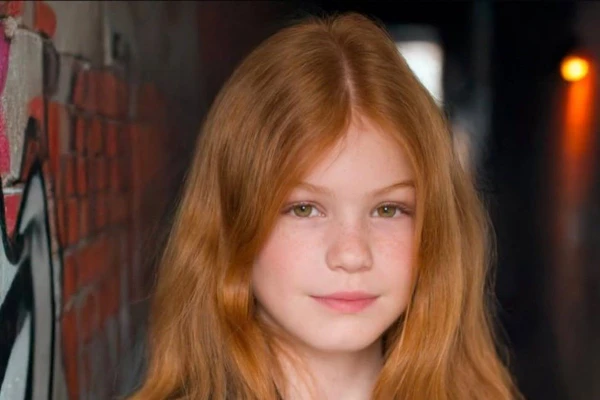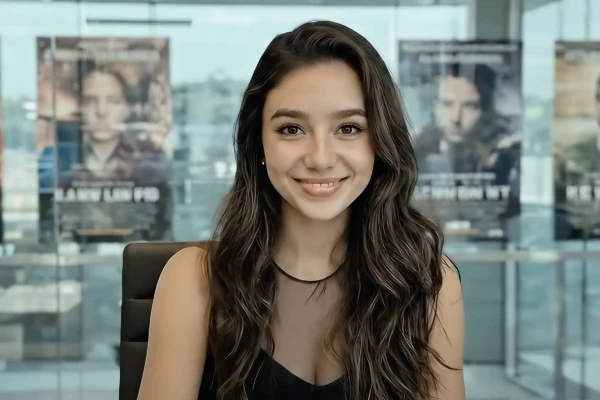
Tilly Norwood is not just a computer model, but a complex algorithm created to embody the perfect screen image. Until now, her creators have focused on visual perfection and impeccable acting in digital settings. But the developers' ambitions have gone further, and they decided to give their creation a voice.
The new track, released under a catchy title, was meant to showcase the vocal capabilities of next-generation neural networks capable of conveying the subtlest human emotions through modulation of sound waves. Instead, the world heard a cacophony in which mechanical coldness battles with unnatural expression.
Music experts note that the main problem of the composition lies in the complete absence of what is commonly referred to as "soul." Tilly Norwood's intonations in this song are so hypertrophied that they evoke in the listener the effect of the "uncanny valley," where an artificial semblance of a human begins to instill an instinctive fear or disgust. Listeners complain about strange fluctuations in timbre and rhythmic disruptions that, apparently intended as the AI's "authorial individuality," have instead turned into acoustic torture. The melody itself seems secondary and empty, as if the algorithm processed millions of past pop hits, ultimately producing a sterile and meaningless concentrate.
Despite the barrage of criticism, the number of streams for the single is growing exponentially. This reveals a paradox of modern digital culture: the worse the product, the more curiosity it generates. Social media has been flooded with memes and parodies of the vocal exercises of the virtual diva. Users compete in wit, describing their feelings from listening, while some even call for a ban on AI actors engaging in music to avoid desecrating the very concept of art. The situation surrounding Tilly Norwood has exposed a deep conflict between technological progress and people's aesthetic expectations.
Interestingly, the creators of the digital actress maintain a mysterious silence, reluctant to justify the questionable quality of the release. Some analysts believe that the "worst song in the world" is a cleverly planned marketing move. In an era of content saturation, even negative popularity is a powerful tool. By forcing the whole world to discuss the failed track, the developers attracted more attention to Tilly Norwood than if she had released a standard, pleasant-sounding ballad. This raises the question of whether intentional failure will become a new promotion strategy in a world where algorithms have already learned to replicate beauty but have yet to grasp the nature of sincerity.
Meanwhile, unions of live artists perceive the song's release as further proof that technology will never be able to fully replace human talent. While in film, the visual flaws of the AI actress can be hidden behind special effects, in music, the falseness is immediately apparent. The scandal surrounding Tilly Norwood has become a kind of triumph of human hearing over digital imitation. While algorithms attempt to conquer the charts, live musicians can breathe a sigh of relief, as the right to error and imperfection, which makes music alive, still remains an exclusively human prerogative. The future of this digital performer now hangs by a thread, as if a bad song is not followed by something truly worthwhile, Tilly Norwood risks being remembered in history only as a quirky technical curiosity, confirming that mathematics does not always add up to harmony.