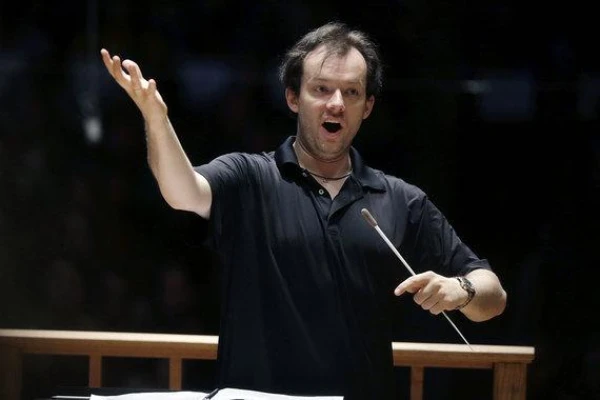
Latvian conductor Andris Nelsons, artistic director of the Boston Symphony Orchestra, found himself at the center of a scandal after the orchestra's decision not to extend his contract. This caused a stir not only among musicians but also in the international music community.
Orchestra musicians publicly opposed this decision. Former orchestra violinist Gerald Elias sent an open letter to The New York Times requesting its publication, but the publication refused.
What Was in the Letter
In his address, Elias claims that the newspaper's publication contains inaccurate information. In particular, he disputes the thesis that the 40% drop in concert attendance over the past 20 years is related to Nelsons.
According to him, the reasons run deeper:
- after Seiji Ozawa's departure in 2002, the orchestra remained without a leader for two years;
- then came James Levine, who worked for only six years;
- after that, there was again a period without a music director until Nelsons was appointed.
Additionally, the situation was worsened by the COVID-19 pandemic in 2020, which led to a sharp decline in concert attendance worldwide. However, after the pandemic, according to the author of the letter, attendance at BSO has noticeably increased, indicating Nelsons' popularity.
Elias also refutes claims of the orchestra's financial problems, pointing out that the 2024 report lists:
- over $30 million in net assets,
- nearly $700 million in funds.
He believes that the true reasons for the dismissal have not been stated and are related to disagreements over the artistic vision for the future of the orchestra.
Context of the Situation
Andris Nelsons debuted with the orchestra in 2011 at Carnegie Hall, and in 2013 he became its music director. Recently, he and the orchestra received two Grammy Awards.
The decision not to extend the contract came as a surprise. The orchestra's management explained it by stating that the parties did not agree on views for the future.
Music critic David Allen, in an article for The New York Times, described the situation as "the fall of the maestro from the throne" and linked it to the overload of modern music directors.