
From Finland to Slovakia: in 2026, the cities of Oulu and Trenčín became European Capitals of Culture. What lies behind this concept and how can the new status change the lives of the cities?
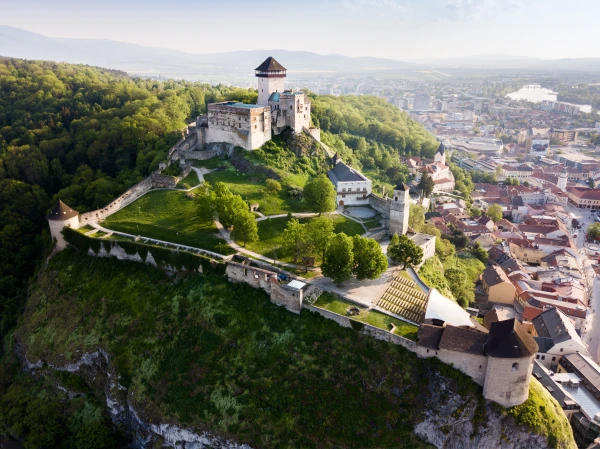
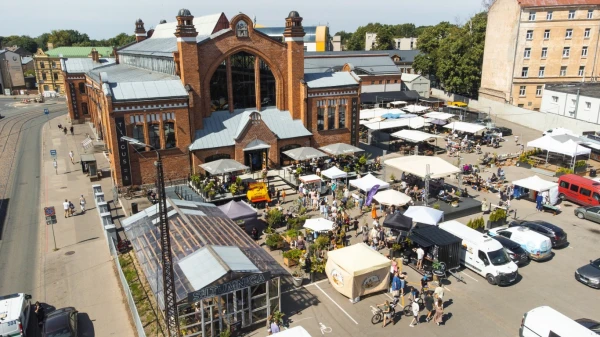
Trenčín is a picturesque city in western Slovakia. Its main attraction is a medieval castle rising on a rock above the city. The center of Trenčín features an oval market square with cafes and bars, where tables are set up right on the street.
In the Old Town, there is a recently renovated synagogue. It is a powerful testament to the life of the centuries-old Jewish community of Trenčín. It serves as the heart of the city, an architectural landmark, and a venue for cultural events.
Festival for the Whole City
The city is betting not on elite culture, but on an open festival for everyone. It aims to provide a stage for small creative groups, support local celebrations, and activities that unite residents. Above all, the city wants to make itself more attractive to young people.
Instead of an opera house, Trenčín has a cultural center that was recently renovated for eight million euros. It houses dance and theater halls, studios, workshops, and a professional film studio. The project aims to attract people from the arts and culture sector to the city and motivate them to stay. An example is the Slovak city of Košice, which held the title of cultural capital in 2013 and continues to benefit from it.
Oulu: Uniting Art and Nature
Finland is a country in Northern Europe where the happiest people in the world live. It is known for hockey, saunas, gloomy heavy metal performers, and eccentric championships - from wife carrying and rubber boot throwing to air guitar playing. Thanks to the telecommunications company Nokia, Finland is also an important global technology hub.
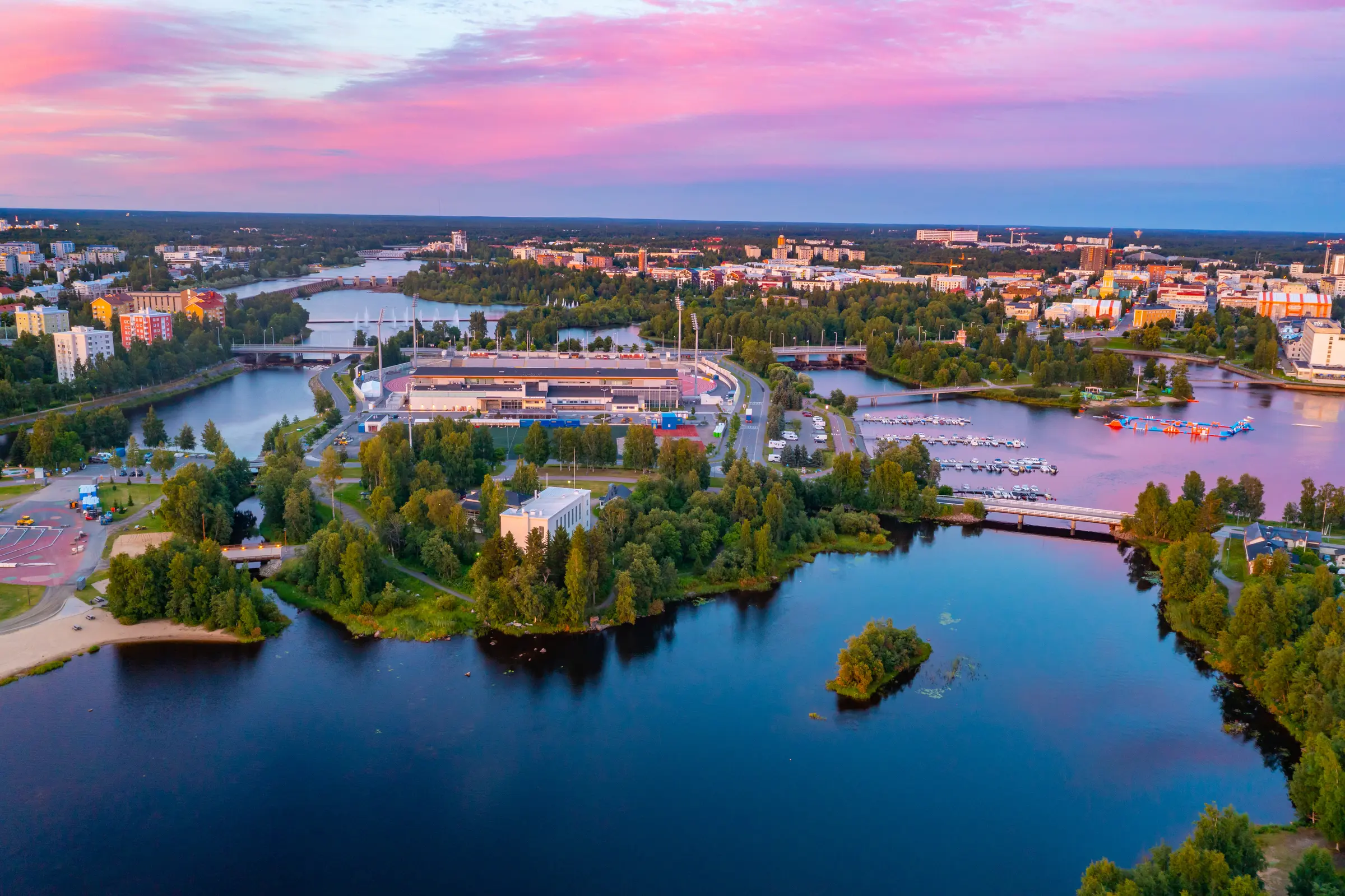
All of this is set to be presented by Oulu in 2026 - a city in northwestern Finland with a population of about 220,000, located approximately 600 kilometers from the country's capital, Helsinki. Nokia has built a campus in Oulu specializing in 5G and 6G technologies, with a strong focus on science and education. The city's artistic life is also notable, largely shaped by its close connection to nature.
The concept that unites all events in the program sounds ambitious: to connect people through culture with new and unexpected solutions. They also want to link art and nature in a new way. The program features "typically Finnish" themes: snow, ice, saunas, light, and darkness. The four seasons play a special role in the program's development.
The motto chosen by Oulu for its time as the European Capital of Culture is very fitting - "Cultural Climate Change." It refers not only to the development of cultural life but also to the ecological responsibility that each person bears.
Culture as a Driving Force: Why Europe Honors Its Cities
When in 1985 Greek Minister of Culture Melina Mercouri and her French counterpart Jack Lang launched the initiative of European Capitals of Culture, they aimed to connect Europe through culture after decades of the Cold War.
Athens became the first city to receive this title. Thus began the history of a program that is now considered one of the most successful cultural initiatives of the EU.
As the European Commission explains, a city bearing the title must "make visible the cultural diversity of Europe, strengthen citizens' sense of belonging to a common cultural space, and support the contribution of culture to the development of cities." This definition is posted on the agency's website.
Since 1985, more than 70 cities have held the title - alongside megacities like Paris, Amsterdam, or Madrid, many small towns have also received it. The success of the program can already be assessed.
According to an analysis published in 2023, commissioned by the European Commission, from 2013 to 2022, cities participating in the program hosted an average of 1,000 to 1,200 cultural events per year. In total, they attracted 38.5 million visitors. The tourist flow in these cities increased on average by 30-40 percent. This significantly raised the international recognition of the cities and interest in cultural tourism.







Leave a comment