
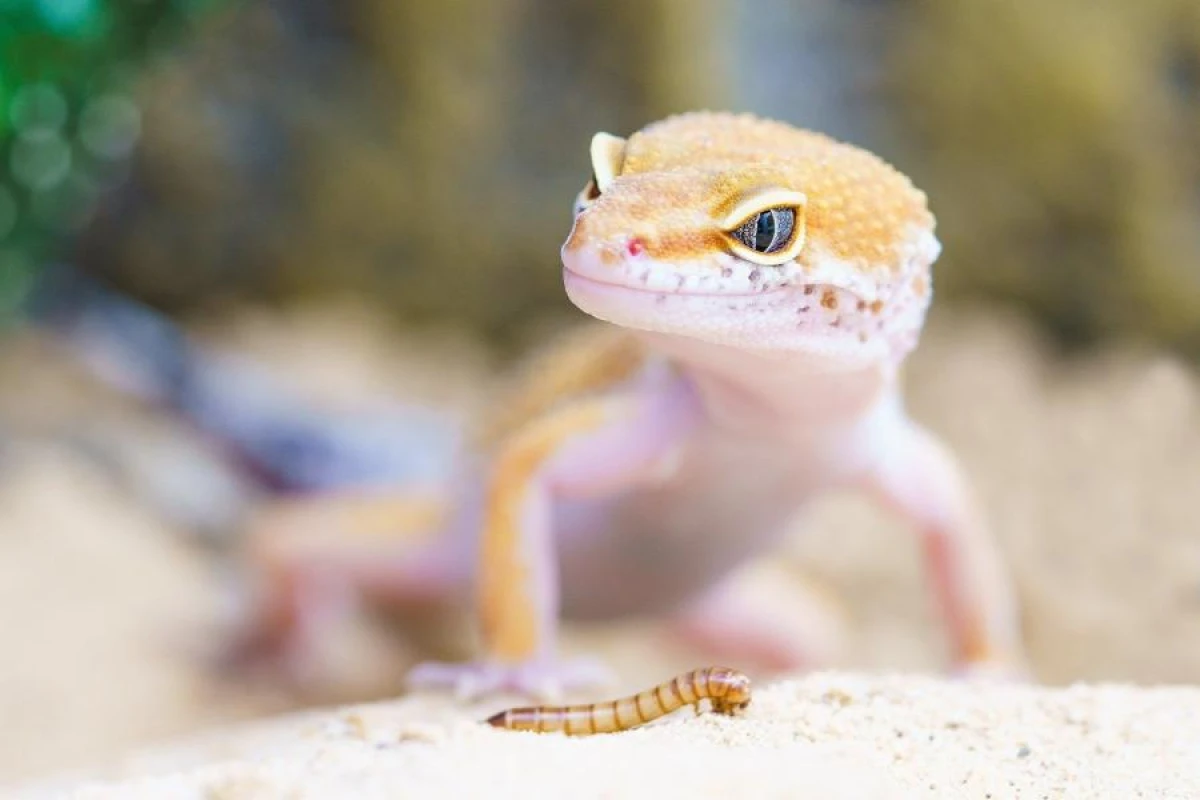
Research shows that the spinal cord of lizards contains unique stem cells that allow them to regenerate their tails after loss. Many species of lizards can detach part of their tail to escape a predator and then regrow a new one.
Unlike mammals, a lizard's tail includes the spinal cord. Canadian scientists have discovered that the spinal cord in the tail contains a significant amount of stem cells and proteins that promote their growth.
The study was conducted on geckos, which can regenerate their tails within 30 days — faster than other species of lizards. In the wild, a gecko can shed its tail when attacked by a predator. The severed tail continues to move for some time, distracting the attacker.
In the laboratory, scientists simulated a predator attack by pinching the tail. They then observed the regeneration process at the cellular level.
It was found that the spinal cord of geckos contains a special type of stem cell known as radial glia. In response to injury, these cells begin to produce various proteins and actively multiply. Ultimately, they form a new spinal cord. Unlike lizards, humans struggle to cope with spinal cord injuries.
In similar injuries in humans, scar tissue forms quickly to close the wound but hinders regeneration. This may be related to a lack of necessary types of cells, the scientists conclude. They hope that the results of their research will aid in the development of new treatments for such injuries.













Leave a comment