A new initiative has been published on the public initiative portal ManaBalss.lv, calling on the Latvian authorities to reconsider their approach to managing the population of brown bears and to strengthen safety measures in the country's forest regions.
The author of the initiative, Kaspars Lusis, proposes to introduce mechanisms for regulating the bear population, arguing this is due to the increasing number of animals, a rise in their appearances near populated areas, and more frequent conflicts with humans.
According to the text of the initiative, the number of brown bears in Latvia has significantly increased in recent years. Previously, there were about 60-70 individuals, but according to monitoring data from 2025, there may now be around 190 bears in the country. The author of the initiative notes that the animals are actively reproducing and expanding into new territories.
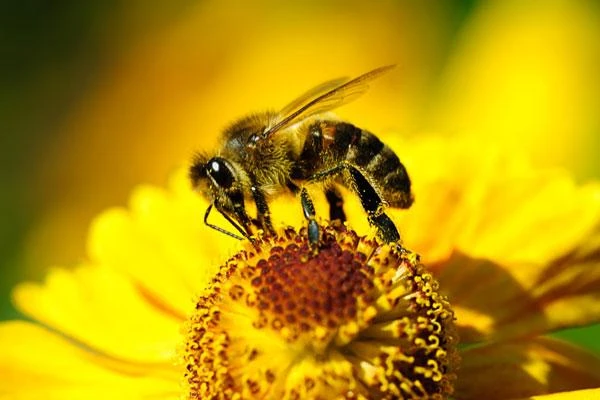
The document states that there are increasingly frequent reports of damage to beehives, attacks on domestic animals, and the presence of bears near farms and residential homes. Residents of certain regions, especially Vidzeme and border areas, report a decrease in the animals' fear of humans.
The author of the initiative believes that the current system for responding to problematic animals is too slow and ineffective. Therefore, it is proposed to amend the legislation to allow limited regulation of the bear population, similar to the practice in Estonia. This does not involve free hunting but rather the introduction of quotas and an operational response mechanism in case of threats to human safety.
It is also proposed to:
• simplify decision-making regarding the elimination of dangerous animals;
• create a unified platform for reporting encounters with bears;
• expand genetic monitoring of the population;
• increase support for beekeepers and farmers affected by animal attacks;
• fund the installation of protective fencing and deterrent systems.
According to the author of the initiative, such measures will help reduce risks for residents of rural areas, foresters, mushroom pickers, and beekeepers, as well as maintain a balance between nature conservation and public safety.
To submit the initiative to the Saeima, 10,000 signatures must be collected. Currently, it has been supported by more than 1,300 people.