
This experiment may help people with mental health issues.
The CRISPR genome editing system allows for the correction of gene sequences, treatment of hereditary diseases, and discovery of remedies for illnesses. This technology can also influence the behavior of individuals, which is what American geneticists did.
During the experiments, the scientists "turned off" the Avpr1a receptor, which affects the production of the hormone vasopressin. This hormone is associated with traits such as attachment to others, the ability to cooperate and communicate, dominance, and aggressive behavior.
The research team expected that the absence of the Avpr1a receptor would reduce social communication and aggressive behavior in the rodents. However, the opposite occurred: the seemingly cute creatures became more sociable and simultaneously aggressive. Moreover, the individuals exhibited no sexual differences in social behavior—males and females displayed the same hostility towards members of their own sex.
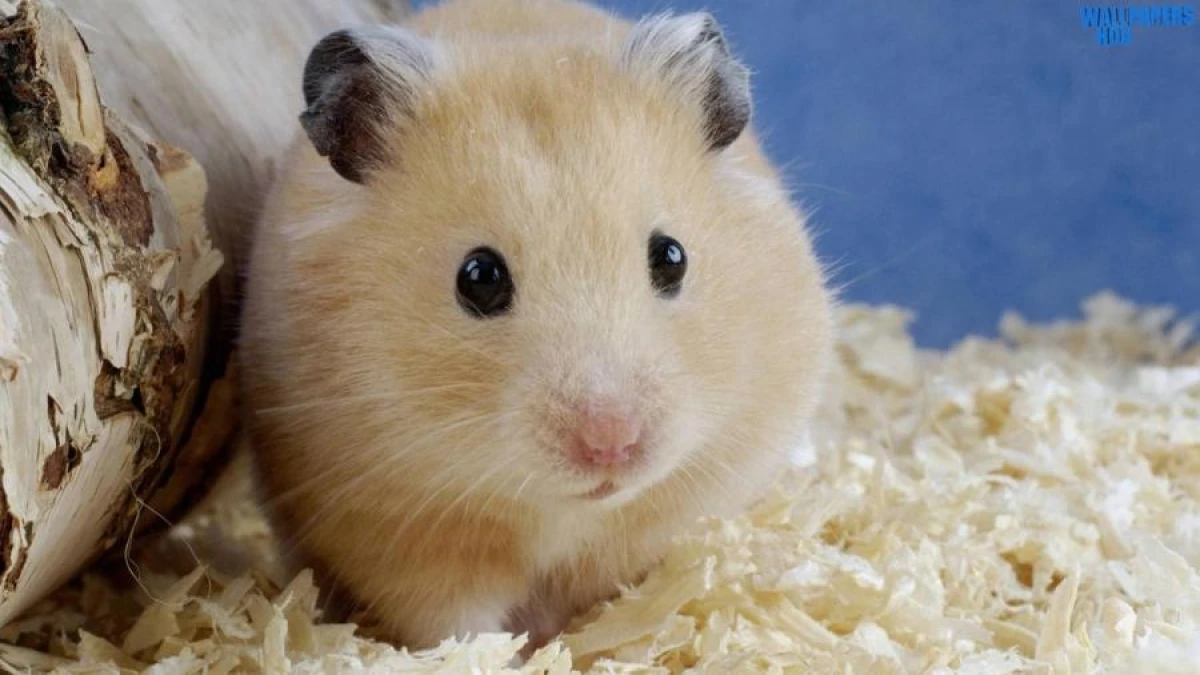
For such experiments, scientists often use hamsters, as their social organization is similar to that of humans. This time, Syrian hamsters (Mesocricetus auratus) were involved in the studies, as these rodents were the first to show the influence of vasopressin on sociality. Additionally, both humans and hamsters exhibit the same stress response, accompanied by cortisol production.
This means that the results may be applicable to humans. The conducted experiment could provide scientists with a more accurate understanding of how genes interact with neural circuits. In the long term, this could help control emotions when interacting with other people.
Furthermore, understanding the role of vasopressin in human behavior will aid in developing more effective treatment strategies for various neuropsychiatric disorders, from autism to depression.










Leave a comment