
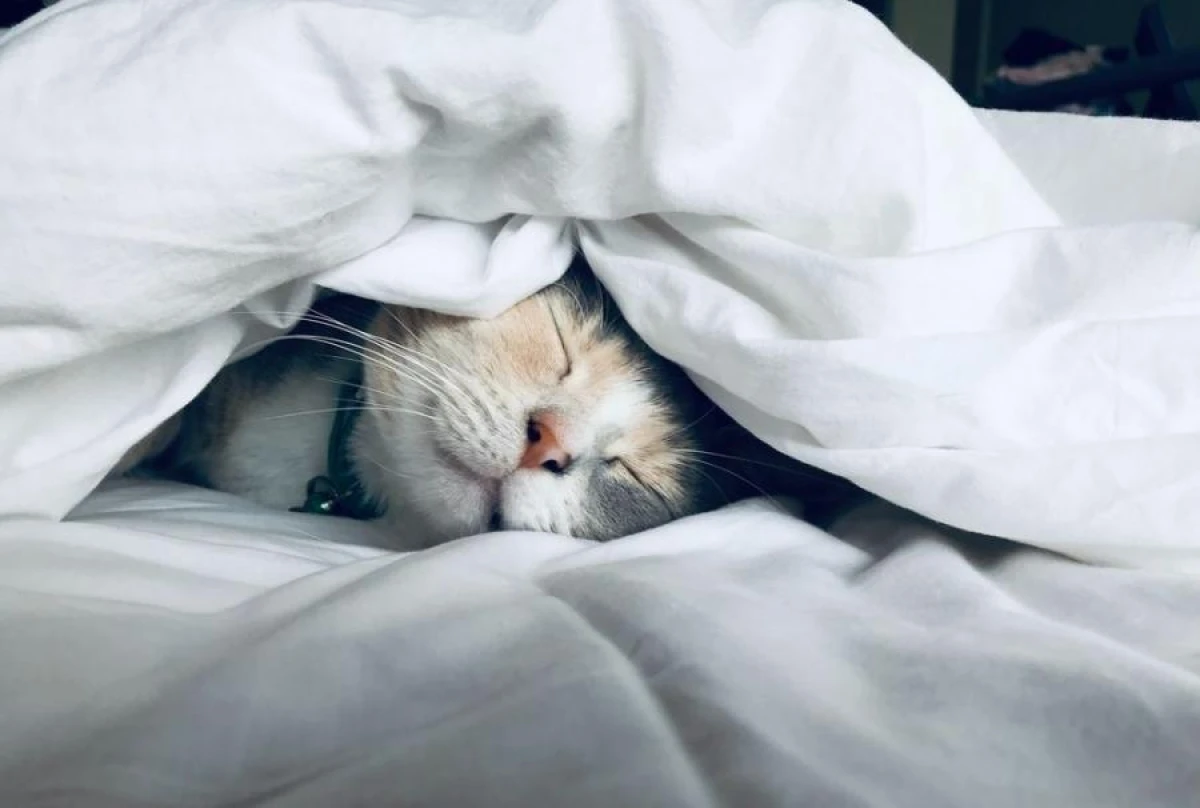
Cats, like humans, can experience sadness. Although they do not cry over unrequited love, they can suffer due to changes in their environment, an uncomfortable bowl, or feelings of hunger. It is important to quickly notice the signs of a depressed cat and understand their causes.
How can you tell when your fluffy friend is feeling down? Pay attention to the following behaviors:
The Cat Hides
Cats sometimes find secluded spots that are hard to find. This is normal behavior, but if your pet has become more withdrawn than usual, it may indicate that they are not feeling well.
A sad cat may become more skittish and seek a safe place. It’s important to analyze what has changed in their environment and what might have scared them.
Grooming Issues
Cats are very clean animals. If you notice that your cat has stopped grooming or, on the contrary, is doing it too often, this may be a sign of stress or a serious illness.
Strange Meowing
Each cat has its own rhythm of meowing and purring. If you notice changes in the sounds your cat makes, it may mean that they are trying to tell you something.
Aggression
Aggression can be a reaction to a threat, but it can also signal other moods of your cat. A sad pet may perceive their surroundings as a threat, even if it is not.
Sad cats may show aggression and avoid interaction, even if given space. If you notice behaviors such as hissing or biting, it’s worth consulting a veterinarian.
Sleep Patterns
Cats sleep a lot—between 12 to 16 hours a day. If your cat has started napping more frequently, it may indicate a problem.
Eating Habits
Like humans, cats in depression may experience a decreased appetite, even when offered their favorite foods. They may also start eating more to comfort themselves. Pay attention to changes in your cat's eating habits—this may signal health issues.







Leave a comment