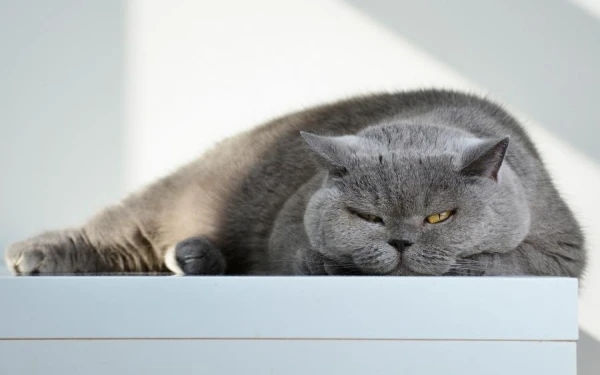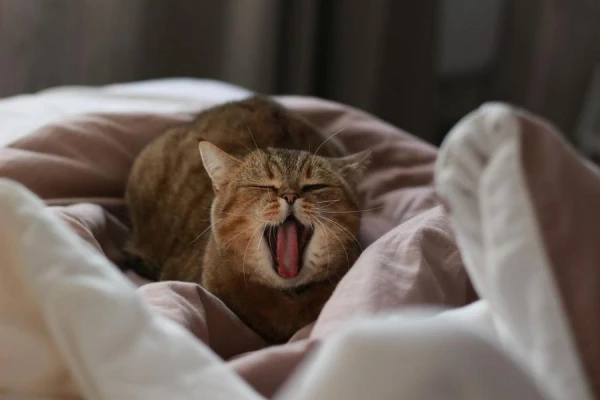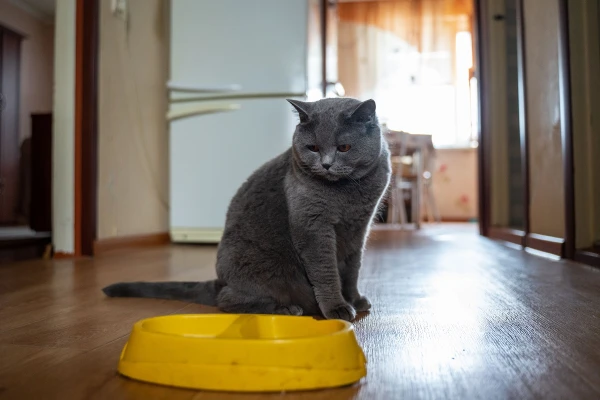
One of the reasons adult cats may ignore food is improper eating behavior arising from food conservatism. The cat is tired of the old food, and it is not used to a variety of flavors, explains veterinarian Anastasia Valeeva.
“If a cat has been eating the same food for a long time, it starts to get bored with it, and it is very difficult to get it used to a new option, as it does not know that there are other forms and textures. For example, if a cat has been fed homemade food and is now being transitioned to commercial food, it may not understand what that is,” explained Anastasia Valeeva.
The veterinarian recommends offering cats and kittens a variety of diets from an early age, including both dry and wet foods of various textures (pâté, stew, jelly), so that the pet knows from childhood what types of food exist and can choose what it likes.
“Some owners make the mistake of buying bulk food or opening a large bag that then sits for several months, losing its appeal. Cats are very sensitive to smells and freshness, and they will not eat such food,” added Anastasia Valeeva.
If a cat suddenly refuses food, it may indicate health problems. “It is necessary to immediately rule out dental and other issues. The cat may have a toothache or a gastrointestinal disease that prevents it from eating, and the food is not to blame,” noted the veterinarian.
At the Center for Animal Nutrition and Welfare, veterinarians regularly conduct dental check-ups and preventive examinations of the gastrointestinal tract. “Dental diseases can affect food intake and provoke improper eating behavior, which is why we have dental check-up programs. We regularly examine animals and implement teeth cleaning on an ongoing basis,” the expert said.