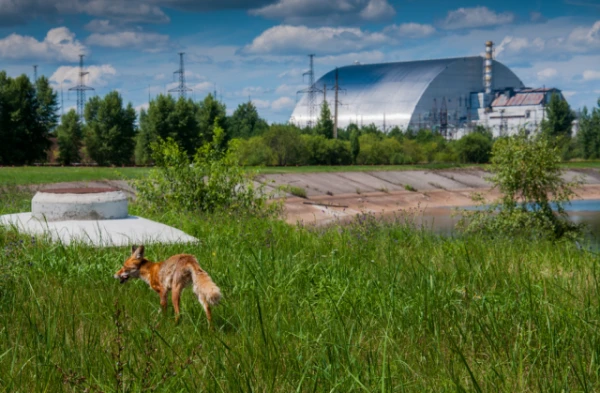
As is known, radiation exposure can damage DNA and provoke mutations.
It has previously been found that the mutation rate in village swallows in Chernobyl is 2–10 times higher. Local voles have been more prone to developing cataracts, according to a 2016 study.
However, many species survive and even thrive in the shadow of the worst nuclear disaster in history.
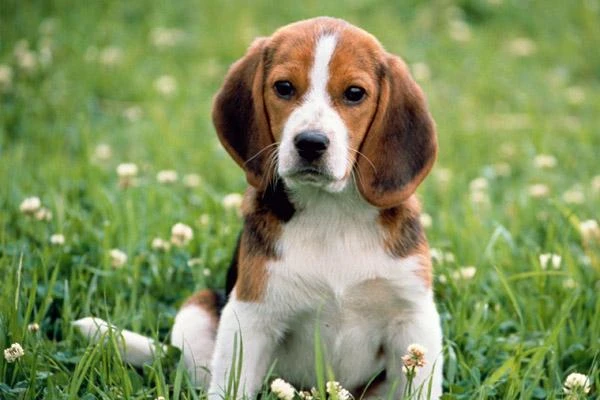
After the disaster and the subsequent evacuation of the population on April 26, 1986, many pet dogs were left to fend for themselves in the area around the former power plant. They formed a strong population that exists to this day. According to recent estimates, there are currently up to 800 semi-wild dogs living around the nuclear power plant. Although they mostly take care of themselves, rare visitors and researchers feed them.
The effects of radiation have made the dogs genetically different from their counterparts in other parts of the planet. Their DNA has changed so much that a dog's belonging to the Chernobyl zone can be determined even by external signs. However, they have continued to survive resiliently for almost 40 years.
Some other creatures have developed adaptations to survive radiation, such as the eastern tree frog. Typically green, individuals in Chernobyl look a bit different. They are usually darker in shade and sometimes completely black. This is a result of rapid evolution in response to radioactive exposure. Such frogs have more melanin, which is known to reduce the effects of ultraviolet and ionizing radiation.
Populations of many species living in Chernobyl and its surroundings have thrived at least in terms of numbers since the disaster. Essentially, Chernobyl is now one of the largest nature reserves in Europe.
Today, the Chernobyl exclusion zone covers 2,600 sq. km, with almost no people. Although the potentially dangerous consequences of radiation exposure cannot be denied, some experts argue that human activity today is far more dangerous.
Without humans, Chernobyl has become an amazing refuge for all kinds of animals, from deer to wild boars. Wolves, in particular, are thriving: their population density in the Zone is about seven times higher than in surrounding reserves. One study used footage from camera traps to identify 15 different vertebrates, including mice, raccoon dogs, American minks, and Eurasian otters. Grey owls, jays, magpies, and white-tailed eagles were also found. The beaver population is also growing.
Even endangered wild horses have settled in the exclusion zone, using abandoned structures as shelters.
About 30 Przewalski's horses were brought to the Zone in 1998 to save them from extinction. Today, the population is believed to have reached around 150 individuals.