Bees and several other insects produce characteristic buzzing sounds that help determine their location. But why do they do this, and are there 'silent' bees?
Bees, wasps, flies, and mosquitoes produce a variety of sounds—from buzzing to squeaking. These sounds can be annoying, but at the same time, they make insects more noticeable, attracting predators that largely rely on hearing when searching for food. So why do bees and other insects buzz? In fact, they would prefer to fly silently, but the laws of physics do not allow for that.
Why Do Bees Make Buzzing Sounds?
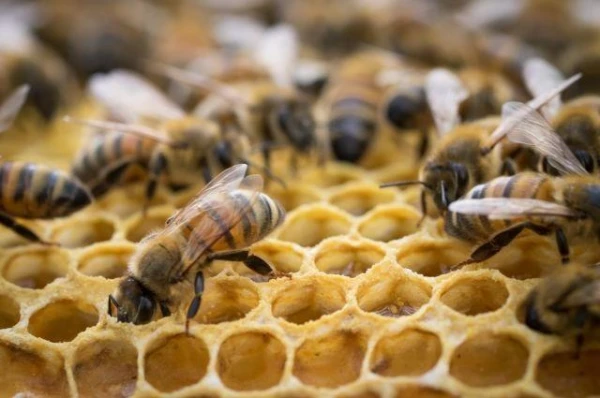
The main part of what we perceive as the buzzing of bees comes from the rapid movement of their tiny wings. Some bees can flap their wings up to 230 times per second, creating quite a loud sound. This also explains the buzzing sounds made by flies, wasps, and other fast-flying insects.
Additionally, some bees, especially bumblebees (species of Bombus) and certain species of solitary bees, are capable of producing a special type of “buzzing” by vibrating their flight muscles. This vibration is used for pollinating certain flowers that release their pollen only at the right frequency of vibrations.
This phenomenon, known as buzz pollination, ultrasonic or floral vibration, is observed in tomatoes, blueberries, and a number of other plants. An interesting fact: if your tomatoes are not fruiting, you can manually pollinate them by touching the back of each flower with an electric toothbrush and briefly turning it on to mimic the vibration of bees!