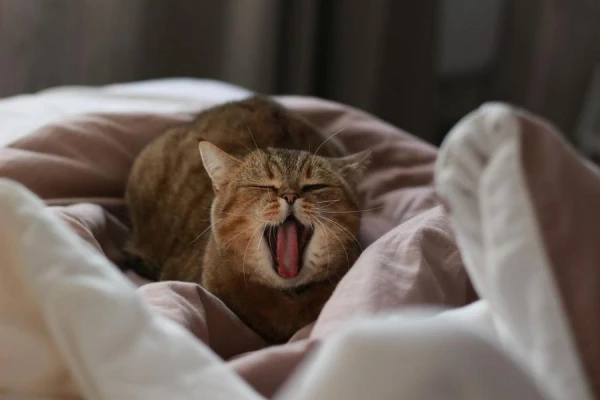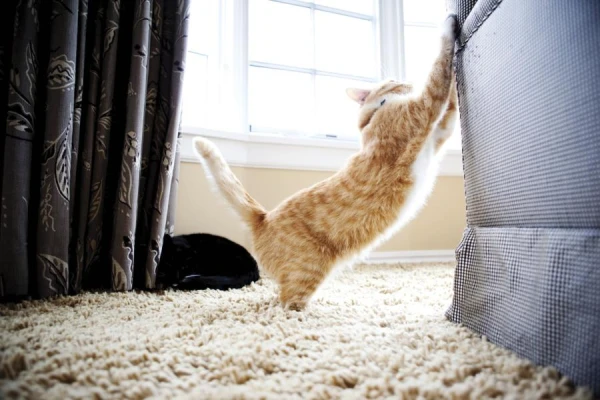
Every cat owner eventually faces the question of transitioning their little pet to adult food. Veterinarian Ilga Drozdetskaya explained the best age to do this.
The composition of both dry and wet kitten food differs significantly from that of adult cat food. It contains much more protein, which is necessary for the growth and development of a young organism. Additionally, kitten food is more calorie-dense, as small pets are very active and expend energy many times more than adult cats. There are also higher levels of omega-3 and omega-6 fatty acids, calcium, phosphorus, and vitamins in kitten diets.
What Happens if You Feed an Adult Cat Kitten Food?
Undoubtedly, familiar food is better for the pet. However, veterinarians do not recommend giving adult animals kitten food. Firstly, due to the increased calorie content, such food can lead to obesity, which, in turn, can cause more serious health problems such as diabetes and heart diseases.
Excessive amounts of proteins, vitamins, and minerals in kitten food can lead to kidney and urinary tract diseases in adult animals. Higher calcium content can result in the destruction of tooth enamel and the formation of tartar.
When Should Kittens Be Transitioned to Adult Food?
Kitten food is recommended for the first 8–12 months of life. After that, the active growth of the pet stops, and all body systems are formed. However, in some breeds, such as Maine Coons, Siberian cats, Ragdolls, and others, maturity may occur later, at the age of 2–2.5 years. Owners of such animals should consult a veterinarian regarding the timing of the transition to 'adult' food.
Introducing a kitten to adult animal food should be done gradually, as a sudden change in diet can cause stress even in adult pets.
It is optimal to transition kittens to adult food over a period of 2–3 weeks. You should start by adding a small amount of wet food or a few pieces of dry food to their usual 'kitten' menu.
If the new food does not cause digestive upset or allergies in the kitten within a day, you can gradually increase the proportion of 'adult' food in their diet.
Sometimes a kitten's body may not accept adult cat food for various reasons. In such cases, it is better to temporarily return to the previous menu and consult a veterinarian.