
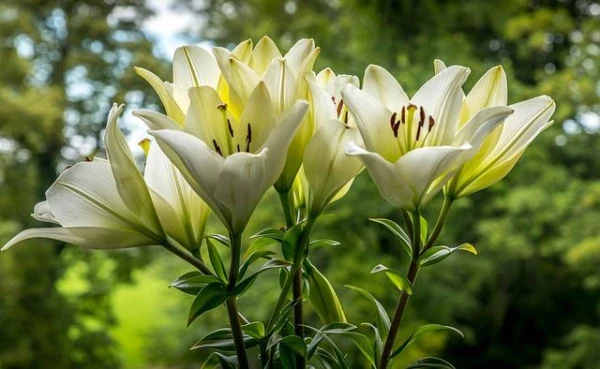
If a pet licks the stamens of a lily, it can lead to acute kidney failure. Veterinarians warn of numerous plants that pose a threat to pets.
“The most common dangerous plants for cats include lilies, azaleas, ivy, and dieffenbachia. Therefore, in homes where cats live, lilies should be strictly prohibited. Sniffing or licking the lily's stamens can cause acute kidney failure in cats. This plant is extremely toxic to animals,” said general practitioner veterinarian Edward Wolf.
According to Tatiana Lyulko, chief veterinarian of the European Veterinary Center EVC and leading gastroenterologist, the listed plants are also dangerous for dogs. “There are many poisonous plants for dogs and cats. The most well-known among them are aloe, lily, crocus, dieffenbachia, monstera, dracaena, philodendron, caladium, ivy, lily of the valley, gladiolus, hyacinth, foxglove, kalanchoe, and iris,” she added.
Veterinarian Ksenia Grosheva also noted that dangerous plants include daffodils, peonies, lupines, hyacinths, and chrysanthemums. If a pet decides to try these flowers, it may face gastrointestinal disorders. Additionally, the expert recommends keeping pets away from hydrangeas, lilacs, and lily of the valley, as the berries of the latter are particularly toxic. Primroses and cyclamens, which contain substances that can cause mucosal burns, also pose a danger to pets. Azalea, a flowering shrub, can lead to heart disturbances and depression of the animal's nervous system, warns Ksenia Grosheva.
Consumption of euphorbias, such as castor bean, can have serious consequences. According to the veterinarian, this can result in paralysis and blindness for the pet.
Veterinary nutritionist Anna Suaro explained the danger of daffodils for pets. “Dogs often love to eat the bulbs of this plant. Even a small bulb can be toxic or fatal for small animals. The lethal dose of the bulb is 15 grams,” she noted. Mild poisoning is also possible if a dog drinks water from a vase where these flowers were.
Anna Suaro also discussed the risks associated with dieffenbachias. This plant contains high concentrations of calcium oxalate and oxalic acid, which can irritate mucous membranes and cause histamine release, warned the veterinarian. “Other plants in this family also contain proteolytic enzymes that can exacerbate the irritating effect,” the expert explained.
Among the plants dangerous to pets, the veterinarian mentioned the beautiful euphorbia, or poinsettia. This plant is considered low in toxicity. “Swallowing leaves usually causes mild gastrointestinal upset. In one case, a Burmese kitten that ate a large leaf experienced severe esophageal irritation,” she said. “There is a documented case of a fatal outcome when a cat developed severe gastrointestinal upset and hyperthermia after consuming poinsettia leaves, ultimately leading to the animal's death.”
The expert also highlighted the danger of honeysuckle. Although this plant is considered low in toxicity, it can cause gastrointestinal disturbances in pets.
Signs of poisoning in a pet include vomiting, diarrhea, excessive salivation, and rapid breathing. If such symptoms appear, the animal must be taken immediately to the nearest veterinary clinic without attempting to treat it independently, warn specialists.









Leave a comment