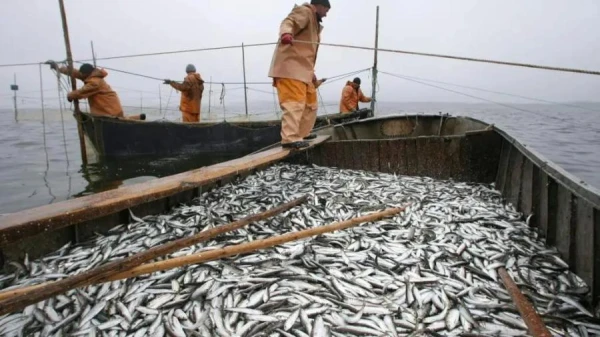
Fish is known for its sharp, sometimes even off-putting smell. If you bring it for lunch to the office, your colleagues might not understand you! But what exactly causes this “aroma” and can it be avoided during cooking?
The smell of fish arises from microbiological and chemical processes that occur when the proteins and fats in fish are exposed to heat and oxygen over time.
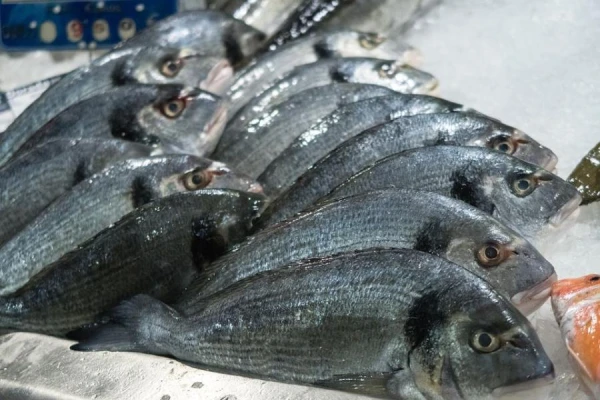
Fresh fish should have a light aroma reminiscent of the salty air of the ocean. It should “smell something like seaweed.” A strong fishy odor signals the onset of spoilage, indicating active bacterial growth.
This is important to consider, as there may be several days between the catching of the fish and its arrival at the store. During this period, bacteria that naturally inhabit the fish begin to process an organic compound known as trimethylamine oxide (TMAO), which is found in many fish species, particularly in cold-water varieties.
These psychrophilic — or cold-loving — bacteria convert TMAO into trimethylamine (TMA), a molecule responsible for the characteristic fishy smell reminiscent of ammonia. In cold-water species such as cod and haddock, this odor can develop more quickly than in others.
The smell of fish can also be caused by enzymes that begin to break down after the fish is caught. Typically, bacteria in the fish flesh convert lysine, an amino acid, into cadaverine, a molecule associated with decomposition.
Chemical reactions can also contribute to the development of the fishy smell. This occurs due to the oxidation of lipids, or fats. Fish is an important source of omega-3 fatty acids. When these fats come into contact with oxygen, they oxidize and break down into smaller volatile molecules that have an unpleasant odor. However, bacterial spoilage leading to the formation of TMA and cadaverine occurs more rapidly than the oxidation of lipids in fresh fish.
Can the Smell Be Eliminated?
To slow down bacterial growth and, consequently, the emergence of odor, focus on two key aspects: time and temperature.
The less time that passes from the moment the fish is caught to when it reaches the kitchen, the better. However, today fish is often transported by air around the world. To minimize the growth of odor-causing bacteria, fish should be frozen or stored at the lowest possible temperature immediately after being caught and cleaned.
Controlling lipid oxidation is a more complex task. While freezing slows bacterial growth, it does not stop the oxidation of fats. This reaction continues as long as oxygen is present. To maintain the freshness of fish, choose vacuum-packed fish and frozen products with low oxygen levels.
Unfortunately, after cooking fresh fish, the smell may intensify if it is not eaten quickly. This does not mean that the fish is spoiled; it simply means that amino acids continue to oxidize in the refrigerator.