
Scientists from Denmark conducted a study that confirmed that animal species not characteristic of a specific ecosystem can harm it. The results of the work were published in the journal Science.
Specialists from Aarhus University concluded that large animals are capable of restoring populations in areas where they have not been exterminated by humans. In this case, the discussion involves such representatives of fauna as pigs, camels, and horses. Herbivorous animals weighing more than forty-four kilograms contribute to the spread of plant seeds, regardless of their natural habitat.
Thus, megafauna does not harm the ecosystem. However, there was a previous belief that such animals cause damage, which led to their extermination. Examples include donkeys and camels in Australia, as well as wild pigs in Texas.
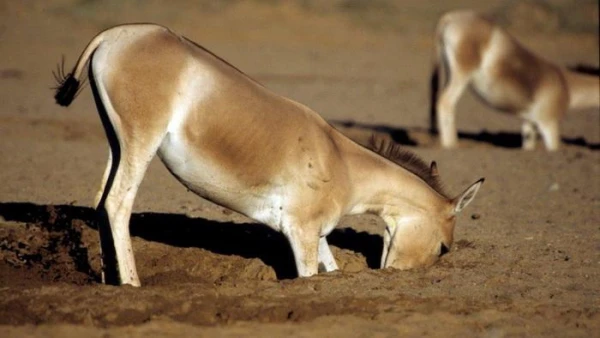
How do large animals help other ecosystems after migration? Horses trample grass, wild pigs aerate the soil for new plant crops, and create conditions for wetland formation, retaining water in the soil and not harming future harvests. Since the 1930s, wild donkeys have been actively exterminated in Texas, believing that they consume too much vegetation and excessively use water. However, in practice, it turned out that they, on the contrary, contributed to increasing water reserves by digging wells. As a result of their extermination, wetlands declined, water bodies dried up, and fish perished.








Leave a comment