To survive in the cold season.
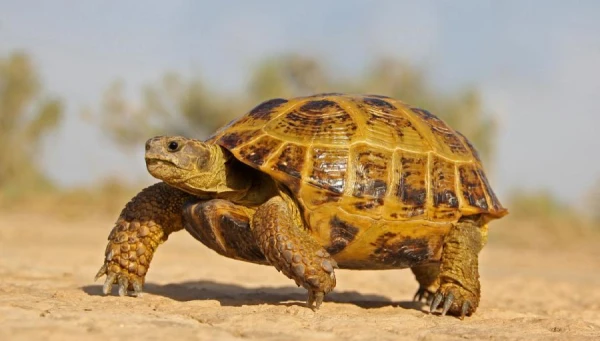
Living cells cannot withstand low temperatures: the water contained in them freezes. Cold-blooded animals, when entering winter hibernation, choose either shelters that do not freeze (such as soil or the bottoms of water bodies) or fill their tissues with substances that protect cells from damage caused by the formation of ice crystals.
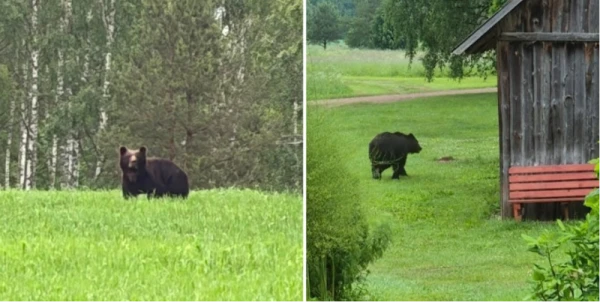
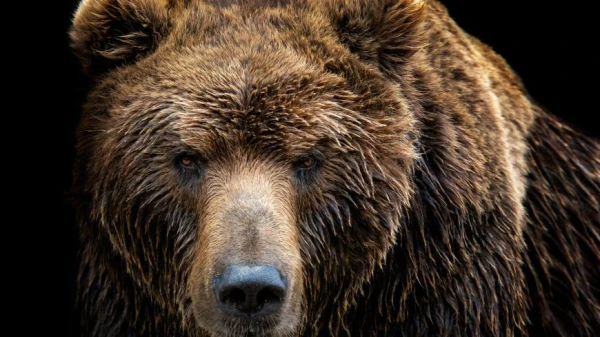
Warm-blooded animals also hibernate — those whose usual food becomes unavailable in winter. The greatest number of “sleepers” is observed among small animals, as their energy costs for maintaining body temperature are particularly high (in the photo: a hazel dormouse). However, badgers, raccoon dogs, and bears also hibernate.
While large animals simply sleep in winter, small animals enter a special state: their body temperature drops by several degrees, and their breathing and heart rate slow down. This form of hibernation allows for a significant reduction in energy costs for “heating.”