When you observe your cat, it can be difficult to understand what is on its mind. However, being aware of its mood is crucial for ensuring the health and happiness of your pet. But how can you recognize the emotions of your four-legged friend?
Research shows that a cat's emotional behavior can be interpreted through two main signs: signals indicating a desire to get closer (such as purring, which invites you to 'come closer'), and signals that indicate a wish to increase the distance between you.
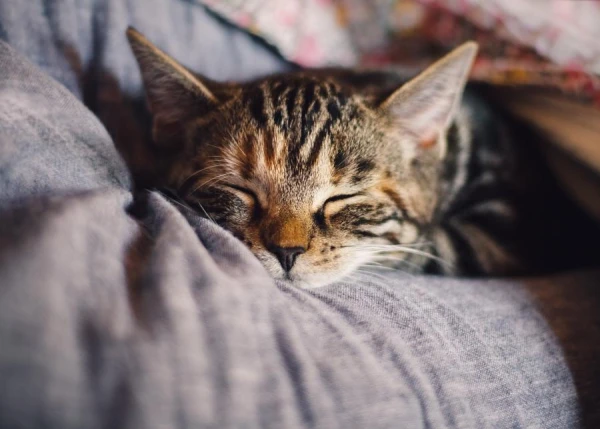
It is important to pay attention to all parts of the cat's body and the speed of its movements. For example, slow blinking is a sign of relaxation (and it is appropriate to respond in kind), while rapid blinking with squinted eyes signals fear.
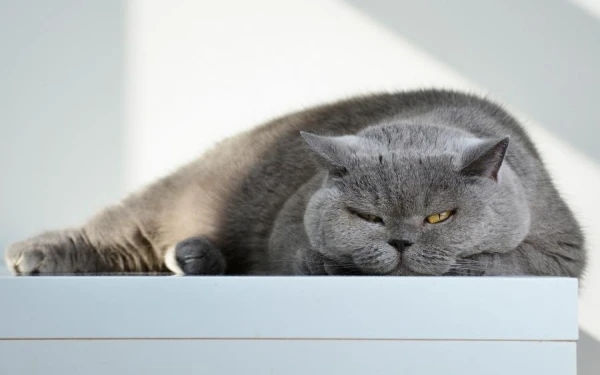
Essentially, the more open your cat's body position is, the less stress it is experiencing. A cat lying on its side or back with its legs stretched out, relaxed tail, and exposed belly feels very relaxed and safe.
When to Keep Your Distance from the Cat
Signals that your cat would prefer you not to approach include tail waving, puffed-up fur, a lowered body (as if trying to become invisible), limbs and tail pressed against the body, hissing, and prolonged 'meow'. In such cases, it is better not to approach the pet, as it may start to defend itself.
Instead, give it space. If you were petting the cat, it is better to stop. It is always preferable to allow the pet to come to you on its own, giving it the choice to interact or not.
How to Tell if Your Cat is Upset
Cats can experience distress for various reasons: from boredom to inability to access necessary things (such as food or birds outside the window) or dissatisfaction with their current location. Signs of frustration may manifest in destructive behavior, attempts to escape, frequent meowing, pacing back and forth, and rubbing against objects.
In such situations, cats may exhibit strong excitement, waving their tails. Be extremely cautious with a pet in this state, as you risk getting bitten — in this case, you are not the cause of the aggression; the pet simply needs to express its dissatisfaction.