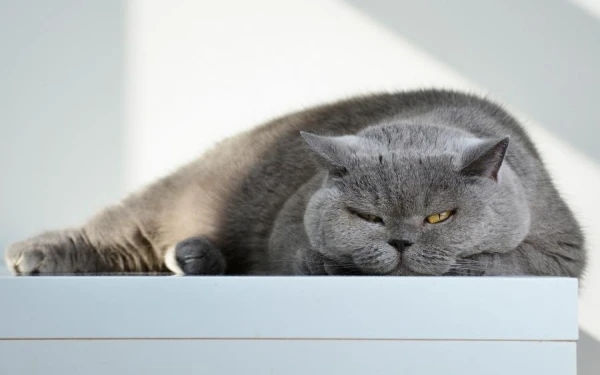
Cat owners are well aware of how their four-legged friends beg for treats when they smell delicious food. However, it is important to remember that some foods from the table can be dangerous to pets' health. Veterinarian Alexey Ryabov explains which products should be excluded from cats' diets.
Milk and Dairy Products
It’s a sweet sight to see kittens enjoying milk or cream from a dish. However, in practice, cats are unable to digest lactose, making cow's milk and its derivatives potentially dangerous. This can cause stomach upset, diarrhea, and vomiting.
Kittens do receive maternal milk as their intestines produce lactase — the enzyme that breaks down lactose. But as they age, the level of this enzyme decreases, as the veterinarian explains, and cats lose the ability to digest dairy products.
Alcohol
Ethyl alcohol poses a serious threat to cats. It can cause breathing problems, vomiting, diarrhea, and disorientation.
Alcohol negatively affects even the liver and brain of an adult human, and for a cat, just a few drops are enough, the doctor emphasizes. An animal weighing 5 kg can go into a coma from 2 teaspoons of strong alcohol, and one tablespoon can be fatal.
Citrus Fruits
Fortunately, many cats dislike the smell of citrus. If your pet is not one of them, do not let it play with lemons and oranges. These fruits contain essential oils and psoralen compounds, especially in the peel. Even a small amount of citrus can lead to gastrointestinal upset, while a larger portion can cause severe vomiting. The peel can even cause a blockage in the gastrointestinal tract.
Onions and Garlic
The ban applies to onions and garlic in any form — raw, cooked, or powdered. These vegetables damage red blood cells in cats and can lead to anemia.
Additionally, they cause vomiting, abdominal pain, and diarrhea, says the veterinarian. Just 5 g per kilogram of body weight can be a lethal dose for an animal. Therefore, onions and garlic should be stored in places inaccessible to cats — for example, in a closed drawer or on high shelves. If you want to treat your pet to some fiber, offer a piece of cucumber, carrot, or zucchini.
Chocolate
While chocolate is a treat for humans, it is toxic to cats, as it contains two harmful substances: theobromine and caffeine. These components are present in any chocolate, but their concentration is particularly high in cocoa and dark chocolate. Even one piece can cause an increase in temperature, heart rhythm disturbances, vomiting, thirst, and seizures in cats.
Fat Trimmings and Bones
If you trim fat from meat or bones, do not give them to your pet — it’s better to just throw them away. Any fat can cause gastrointestinal upset in cats, and bones pose a choking hazard or risk of internal injury.
Tuna
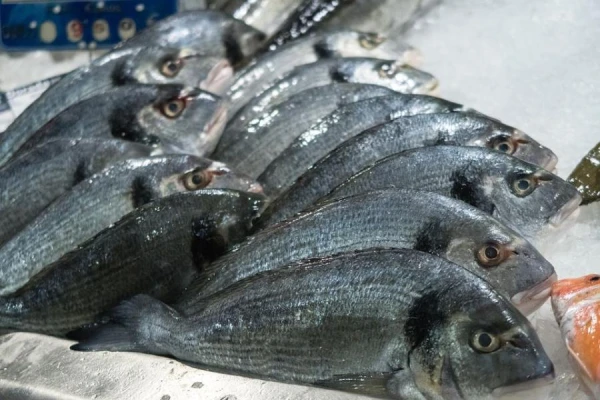
Although tuna is a nutritious food, it should not be given too often. Like other large fish, tuna accumulates organic mercury over time. In cases of poisoning, cats may exhibit unsteady gait, loss of coordination, involuntary movements, and central nervous system depression.
However, it’s fine to occasionally treat your cat to tuna, provided it makes up no more than 10% of their daily diet. It’s better to use canned or cooked fish, as raw tuna may be contaminated with E. coli.