Anthropocentrism asserts that humans are the center of the universe and the purpose of all events occurring in the world. We tend to evaluate dominance on the planet through the lens of tools, language, and culture, as well as the ability to alter the environment. However, this approach emphasizes only our strengths while ignoring our weaknesses!
Which animals could take the top positions if humanity were to disappear?
Bacteria vastly outnumber us, inhabit most of the planet's territories, and are likely to remain here long after we are gone. For 99.9% of Earth's history, the planet has managed perfectly well without human intelligence, and if we were to vanish, there is no reason to believe that anyone would necessarily take our place.
Octopuses and dolphins possess a high level of intelligence, but life in the aquatic environment excludes the use of fire and electricity, making it impossible to process metals and create machines. To evolve and adapt to life on land, it would take them about 100 million years.
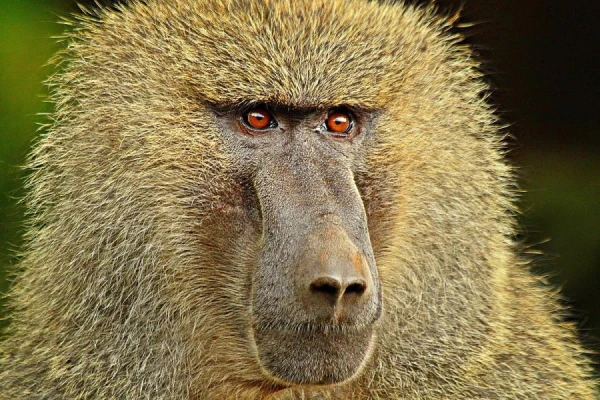
On the other hand, primates would find it significantly easier to adapt to the environment we left behind. Baboons, which already live near humans in South Africa, are social and have intelligence comparable to that of chimpanzees.
Immediately after humanity's disappearance, they could seize our settlements and utilize the remaining food supplies and livestock. This would likely lead to a sharp increase in their population.
When the food supplies run out, they would still be able to take shelter in our buildings and might begin to use some of the metal tools and knives we left behind. This could give them a significant advantage, allowing them to surpass other primates and predators.
However, all our complex machines would have rusted long before the baboons learned to use and repair them. Nevertheless, scientists do not rule out that thousands of years later, these primates could achieve their own technological progress.