
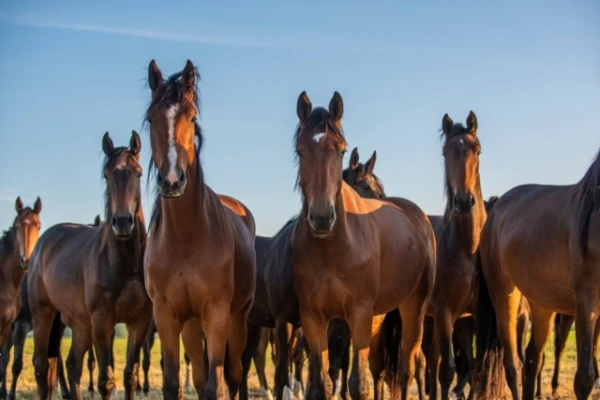
A new study from the University of Helsinki has shown that a lack of rapid eye movement sleep in horses reduces not so much the accuracy of task performance, but rather persistence — especially in situations requiring flexibility and overcoming difficulties.
Scientists have developed a simple reverse learning test that can be conducted in one day in a familiar environment for the horse: the animal first learns to touch the 'correct' object for a reward, and then the rule changes.
Horses that had a rapid eye movement (REM) sleep phase lasting less than 30 minutes per day performed the task no worse than others, but they lost interest more quickly and stopped trying when the task became more difficult.
At the same time, there were no external signs of sleep deprivation — they looked normal, but their cognitive resilience decreased.
This means that sleep problems can easily be overlooked in everyday care, attributing the loss of motivation to character or training deficiencies.
The study emphasizes: sleep is not just rest, but a key factor in well-being and trainability, and its quality directly affects whether a horse will continue to make attempts when faced with a mental challenge.









Leave a comment