

An international team of researchers studied known cases of disease transmission from humans to animals caused by various pathogens. The scientists concluded that close contact with humans poses the same risk of infection for animals as it does for humans, reports the scientific portal phys.org.
A joint group of American and Chinese scientists from the University of Florida Health and Duke Kunshan University conducted an analysis of studies regarding cases of reverse zoonosis, that is, the infection of animals by humans with various viral, bacterial, fungal, and parasitic infections. As a result of their work, the researchers found that pets in close contact with people through kisses, hugs, shared meals, and sleeping are at risk of contracting diseases from their owners.
“Recently, we have observed many examples of reverse zoonosis. Pets are more susceptible than previously thought,” said the study leader Dr. Benjamin Anderson.
The scientists noted that in most cases, human viruses do not pose a threat to pets due to species differences. However, there is a possibility that a virus may mutate, allowing it to overcome the species barrier.
In their article, the researchers described the most dangerous infections that can be transmitted from humans to pets, including swine flu, human norovirus, dengue fever, COVID-19, tuberculosis, as well as several less common viral, fungal, parasitic, and bacterial infections. Although most cases have been recorded in cats and dogs, there are also reports of infections in horses, ferrets, and parrots.
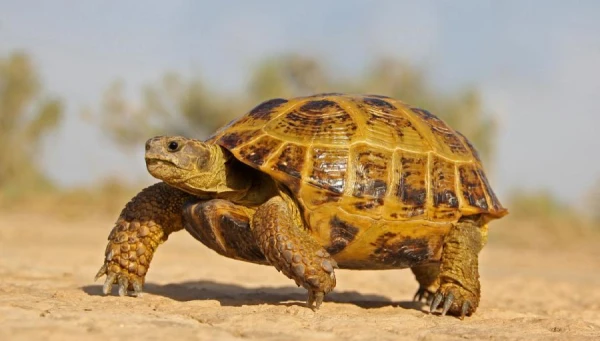
Nevertheless, not all pets are at the same risk of reverse zoonosis, the authors of the study emphasize. Mammals are infected by their owners more often than birds or reptiles, as they are genetically closer to humans, and a pathogen may require only a slight change to overcome the species barrier. Additionally, receptors in the cells of all mammals have slight variations. For example, the ACE2 receptor, through which the coronavirus enters the body.
According to experts, reverse zoonosis poses a threat not only to the health of pets but also to humans, as it can facilitate the mixing of different virus strains and the emergence of more dangerous forms. There have been cases where the flu virus circulated among pigs infected by humans and then caused new outbreaks among people.
To avoid such situations, scientists recommend that pet owners exercise caution when in close contact with their pets, especially during periods of coronavirus or flu illnesses. In everyday life, it is important to ensure that the animal receives only fresh water and food, is kept clean, and is vaccinated according to the recommended schedule.












Leave a comment