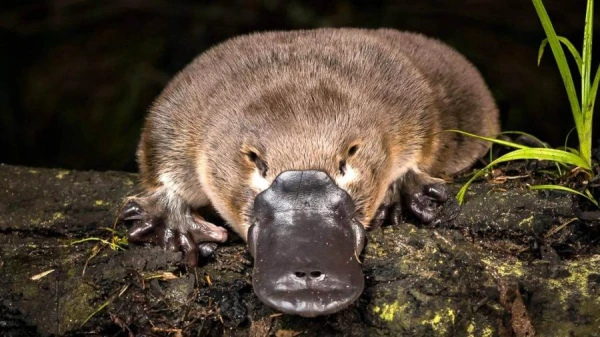
The platypus is one of two mammals that lay eggs instead of giving birth to live young. These creatures look truly fantastic, and for a long time, they were considered mythical. Scientists continue to study platypuses, each time adding new details to their description. The first scientific description of the platypus was made by George Shaw, who published one of the first English descriptions with scientific names...
It is not surprising that in the past, the existence of the platypus was perceived as a myth. Look at this animal: on one hand, it resembles a beaver, and on the other, a giant duck. This unusual mix of beast and bird called into question all notions of Australia's fauna, and even real specimens of the animal were considered nothing more than cleverly crafted taxidermy, created by a skilled taxidermist from parts of different animals, threads, and needles. Admittedly, the platypus does look truly fantastic.
The platypus was first described in scientific literature in 1799... This discovery belongs to the naturalist George Shaw. It all began when he received a package from the Governor of Australia, John Hunter. Upon opening the box, he found a preserved chocolate-colored skin. The snout on the skin resembled that of a rodent, while the feet looked like those of a duck. Shaw admitted that the package seemed extremely suspicious to him, and he initially thought it was a hoax, but he could not find any signs of gluing or stitching.
Over the years, numerous samples and descriptions of their natural habitat accumulated through observations of these amazing creatures. During this time, the scientific community was experiencing a new, exciting era of discoveries and discussions. By 1823, anatomist (and grave robber) Robert Knox noted that “although the extraordinary nature of the platypus raised doubts among scientists, all of them were instantly dispelled upon examining the anatomy.”
Since then, the story of the platypus has only been enriched with new details. This animal turned out to be even more interesting than researchers had assumed: it not only lays eggs like birds but also possesses venomous spurs on its hind legs, which effectively protect it from predators and rivals during mating games...