
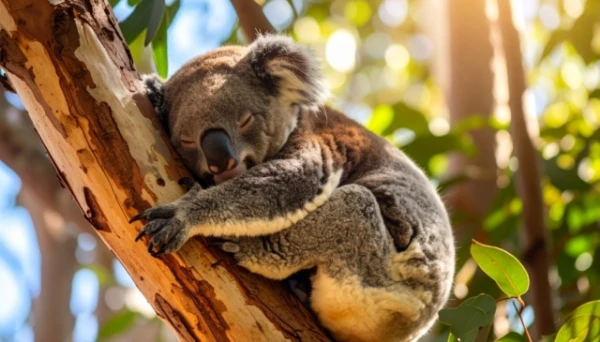
Kangaroo Island in South Australia is known for its large population of seemingly healthy koalas.
However, scientists from Flinders University have identified a serious problem — extremely low genetic diversity.
The population formed in the 1920s from fewer than two dozen introduced animals, leading to a high level of inbreeding. This reduces resilience to diseases and the ability to adapt to changing environmental conditions. Despite the fact that koalas survived the devastating fires of 2019–2020 and remain numerous, their genetic vulnerability threatens their future.
Scientists propose conducting a "genetic rescue operation" — carefully introducing individuals from the mainland to increase diversity and strengthen the population. Without this, even minor new threats could seriously harm the animals and jeopardize their long-term survival.








Leave a comment