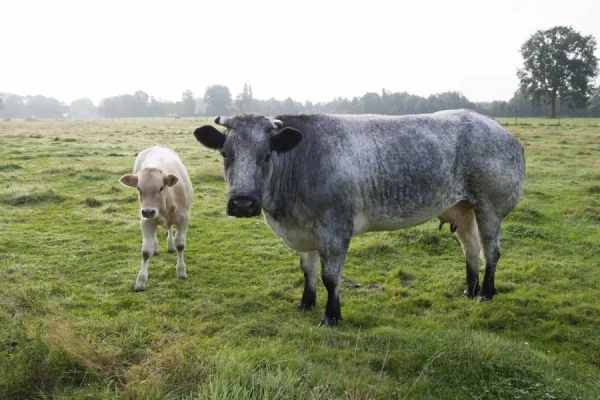
Cases of bluetongue disease have been identified in five dairy cattle farms in southwestern Lithuania, confirmed the Food and Veterinary Service (FVS).
According to the Food and Veterinary Service of Lithuania, the third serotype of bluetongue has been found in farms, which has been actively circulating in several European countries in recent years.
The FVS reported that the disease was detected in animals as a result of laboratory tests, but no clinical signs of the disease were observed in the infected cows.
The service informs that bluetongue can affect cattle, sheep, goats, and other ruminants. The disease is not contagious but spreads rapidly through blood-sucking insects. The bluetongue virus cannot be transmitted from one animal to another. The bluetongue virus also does not affect human health or food safety.
According to the FVS, bluetongue has not yet been detected in Latvia.
However, in light of the confirmed cases in Lithuania, the service is strengthening surveillance and informing livestock breeders, veterinarians, and other parties about the disease risk and precautionary measures.