
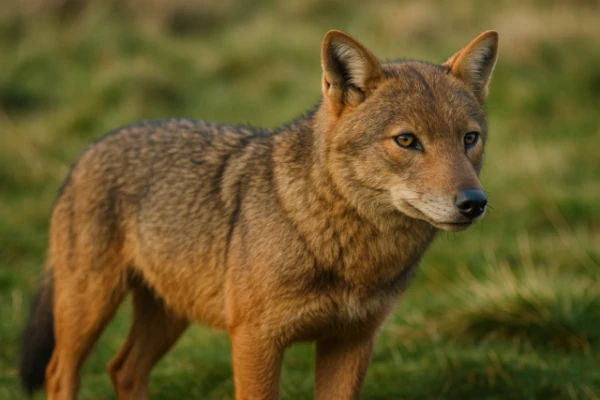
The Falkland 'wolf', the only mammal of the eponymous islands, turned out to be the last representative of a population of domesticated foxes that were widespread in South America, rather than a separate species of wolf, as previously thought.
Archaeological finds in human burials show that these foxes were kept alongside humans even before the domestication of dogs. The trustfulness of the Falkland individuals, therefore, is explained by traces of ancient coexistence with humans, rather than isolation. The new study unites the taxa Dusicyon avus and D. australis, suggesting a reevaluation of their classification and the history of their extinction.
This discovery changes the understanding of the reasons for extinction: friendliness towards humans, once a beneficial trait, proved fatal with the arrival of European settlers.
The work also provides important lessons for modern species conservation programs and assessing their vulnerability to anthropogenic threats.












Leave a comment