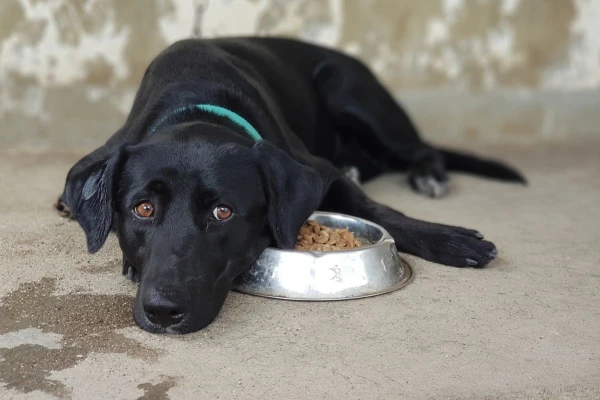
A dog's refusal to eat can be both a sign of whim and a symptom of illness. Experts explain how to distinguish harmless behavior from dangerous conditions and when to consult a veterinarian without delay.
- Whim or Stress Instead of Illness
Refusal to eat in dogs is a signal that should not be ignored. "A whim or behavioral problem usually occurs in a dog that is generally feeling well," note specialists from VGNKI.
A pet may refuse its usual food in hopes of getting something tastier from the table or due to stress from minor changes in routine. The main criterion is the overall condition: alertness, playfulness, interest in life. However, if the refusal to eat is accompanied by lethargy, apathy, or pain, it is a reason to urgently consult a veterinarian.
- Pain and Problems in the Mouth
One common cause is pain in the mouth. "A dog may want to eat, but pain or discomfort makes the process impossible," explain experts. Owners are advised to check for bad breath, blood on toys, or excessive drooling. Painful conditions include tartar, cavities, gingivitis, gum abscesses, or foreign objects lodged in the mouth.
- Gastrointestinal Diseases
Refusal to eat often signals gastrointestinal diseases. "Anorexia is one of the key symptoms in gastrointestinal pathologies," specialists say. This may include gastritis, enteritis, pancreatitis, intestinal obstruction, or hepatitis. Red flags in this case would be repeated vomiting with blood, diarrhea, severe lethargy, abdominal pain, or bloating.
- Systemic Diseases
Systemic diseases should not be overlooked. "Loss of appetite is a universal sign of intoxication and poor health in many systemic diseases," emphasize specialists. This may include chronic kidney failure, hepatopathies, hypothyroidism, diabetes, infectious diseases, and oncology. Pain, including from arthritis or injuries, also suppresses appetite.
- Stress Factors and Environmental Changes
Finally, a dog's appetite is sensitive to stress. Moving, renovations, the arrival of a new pet or child, and noisy events can temporarily reduce or completely suppress the desire to eat. Usually, this is short-lived, but if appetite does not return within 48 hours or if vomiting and lethargy occur, a veterinarian should be consulted.
In cases of refusal to eat without alarming symptoms, an adult dog can be observed for up to a day, ensuring access to water. "If the refusal to eat lasts more than a day, even with the pet feeling well, or if additional symptoms appear, the only course of action is an immediate call or visit to the veterinary clinic," warn experts.
Critical conditions — uncontrollable vomiting or diarrhea with blood, severe lethargy, difficulty breathing, severe pain, or a bloated abdomen — require immediate transportation of the animal to the clinic. The combination of anorexia with such symptoms means that time is of the essence.