Dacha owners, striving to abandon commercial preparations, sometimes start using dubious means without considering safety and effectiveness.
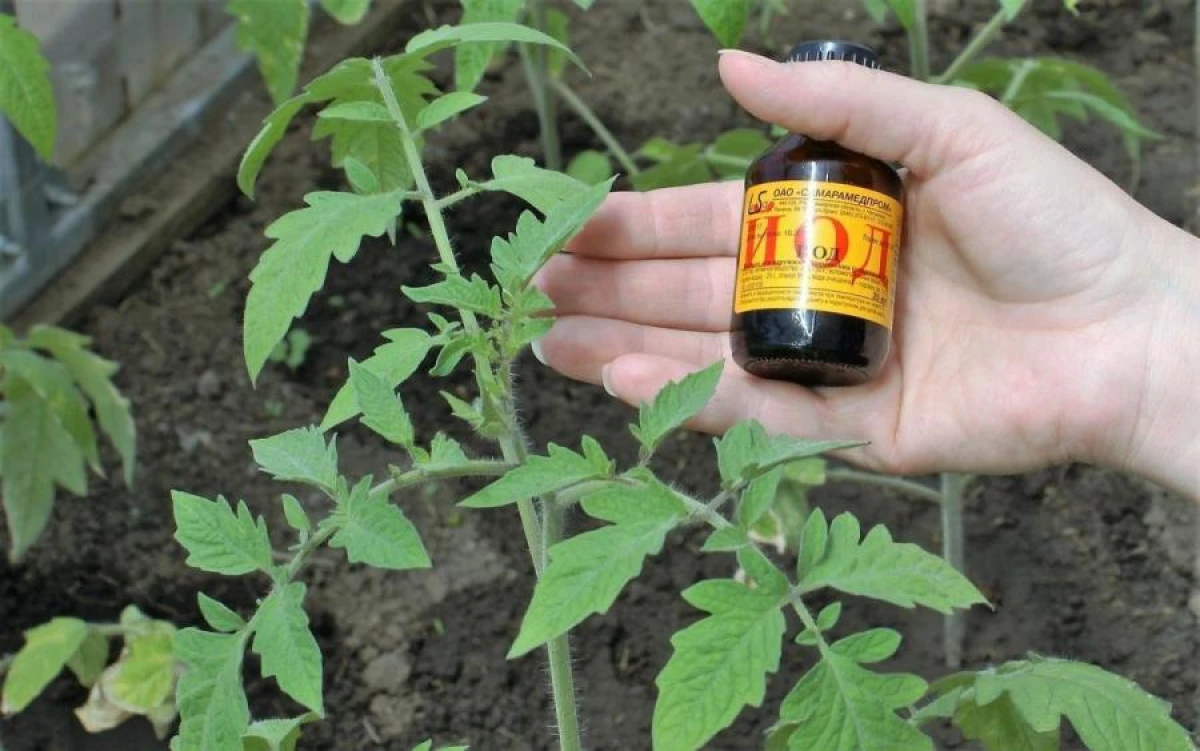
One such controversial remedy is iodine, which is often recommended for various crops.
Is iodine fertilization necessary?
First of all, it should be noted that iodine is not a macroelement that plants actively use for nutrition. Therefore, calling it a fertilizer is not entirely accurate.
Plants require iodine in very small amounts. There is enough of it in the soil so that vegetable crops do not need additional doses.
Another myth associated with this folk remedy is based on its ability to negatively affect harmful microorganisms.
Gardeners and vegetable growers believe that a few drops of iodine dissolved in water can kill bacteria and suppress the growth of fungal diseases. Grape growers often spray iodine solutions on grape clusters in an attempt to get rid of gray mold.
At first glance, this seems true. The disinfecting properties of iodine are well known, and it is used to treat wounds to avoid infection.
But what is the catch? The catch lies in the concentration. Recipes vary: some recommend adding 2 drops per bucket of water, others 5, and some even 40 drops. However, such concentrations are not capable of causing even minimal harm to fungi and bacteria.
For them to feel discomfort, at least a cup of iodine needs to be dissolved in a bucket of water. But even such a concentration will not affect all microorganisms. Not to mention that such an amount of iodine will certainly not benefit the plants.
Another drawback of using this folk remedy is the alcohol content. Regular treatments with alcohol-containing solutions disrupt the protective layer of leaves, stems, and fruits. This leads to drying out and reduced yields. Unlike iodine, alcohol acts even in small concentrations.
Nevertheless, treating plants with small amounts of iodine will not cause harm.
But only if certain rules are followed. Watering and spraying should not be done when the plants are in a dormant period or have just been transplanted and have not yet acclimatized to the new location. It is necessary to water the soil well before application.
This will help avoid root burns. To enhance iodine absorption, it is recommended to spray the solution on the leaves.