Every gardener strives to grow delicious tomatoes, but this can be a challenging task.
However, by following a few simple rules, you can significantly increase your chances of success.
Spraying
When the tomatoes start to bloom, dissolve 10 grams of boric acid in a glass of hot water, then mix it with a bucket of water and spray the flowers and leaves. This will help increase the number of set fruits on the bush and accelerate their growth.
Care for the Root System
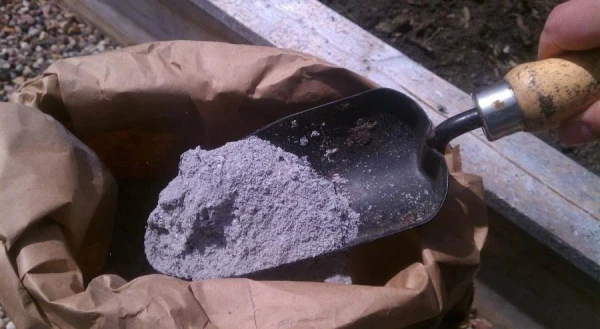
A strong root system provides tomato bushes with more nutrients, which in turn increases the yield. Hill up the bushes twice: the first time when they take root and start to grow, and the second time when they bloom. Before hilling, fertilize the soil with organic fertilizers mixed with ash, and then mulch with peat, mowed grass, or hay to retain moisture. Mulching also protects the roots from overheating in the heat.
Pinching
Regularly pinch the suckers, preventing them from overgrowing. The correct shape of the bush is the key to a good harvest, as the plant does not waste energy on unnecessary shoots. It is better to break off the suckers, leaving a small stump of a couple of centimeters to prevent new shoots from forming. Also, remove the lower leaves after each tier of fruits for better ventilation and lighting of the bush, which will help avoid fungal diseases.
Feeding
Feed the tomatoes carefully: underfeeding is bad, but overfeeding is also not advisable. Overfed bushes start to “fatten,” meaning that foliage grows instead of fruits. It is better to use foliar feeding, spraying the foliage with a micronutrient solution once every one to two weeks, preferably in the evening and not before rain. Feed the roots when the fruits start to grow, for example, by watering with a grass infusion mixed with ash.
Here is a simple recipe for good fertilizer: dissolve two kilograms of wood ash in 10 liters of boiling water, add 10 grams of boric acid and 10 milliliters of iodine to the cooled water. Let it steep for a day, then dilute with water in a ratio of 1:10 and water one liter under each bush.
Disease Protection
Disease prevention is much easier than treatment. Many bushes infected with late blight, dry rot, white spot, or root rot are no longer treatable. These diseases can only be noticed on the fruits, and the use of chemicals in this case is unsafe. All pathogens are present in the soil.
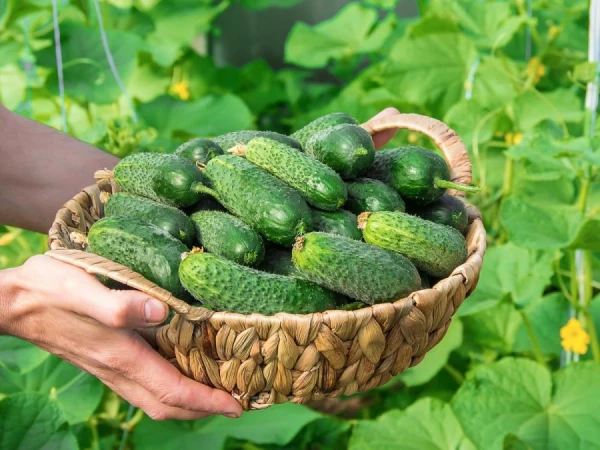
To prevent diseases, do not plant tomatoes in the same place for more than two years, burn the foliage in the fall, and do not add it to compost. Pick and burn infected fruits. Do not plant in areas where eggplants, potatoes, peppers, or cabbage previously grew. Cucumbers, onions, peas, and beans, on the other hand, are beneficial for tomatoes. Any green manures “heal” the soil.