

Salt is an important mineral necessary for the body's functioning; however, it is not produced by the body itself. In today's diet, which is rich in processed foods, there is a risk of excessive salt consumption. Doctor of Medical Sciences, dietitian Elizabeth Barnes explained how much salt should be consumed and how to avoid exceeding this norm.
According to Elizabeth Barnes, salt is made up of sodium chloride, which plays a key role in maintaining life. The body uses salt to maintain fluid balance, transmit nerve impulses, move muscles, and absorb nutrients. Additionally, salt adds flavor to many foods.
“Excessive salt consumption can lead to serious health problems, including hypertension, kidney stones, and stomach cancer. To avoid these risks, it is important to adhere to a balanced diet rich in whole foods such as meat, fruits, and vegetables. This will help the body naturally regulate salt levels,” says Dr. Barnes.
Excess fluid and salt in the body can cause bloating and swelling. An increase in fluid volume also leads to elevated blood pressure. This occurs because the increased blood volume creates excess pressure on the walls of the arteries, causing the heart to work harder, reports Health.
“Consuming a lot of salty foods, such as chips or nuts, can cause intense thirst. This is the body's signal of a water and sodium imbalance. It is very important to drink water after consuming salty foods to avoid dehydration,” reminds the dietitian.
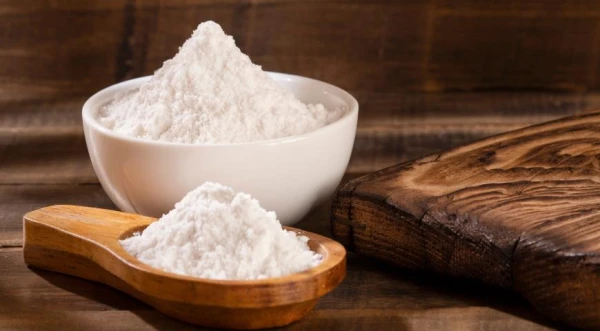
She recommends limiting salt intake to 5 grams per day per person, regardless of age. This is roughly equivalent to one teaspoon. It is also important to maintain a balance of sodium and potassium. Foods rich in potassium can help control blood pressure by counteracting the effects of sodium. Potatoes, avocados, and bananas are beneficial.














Leave a comment