
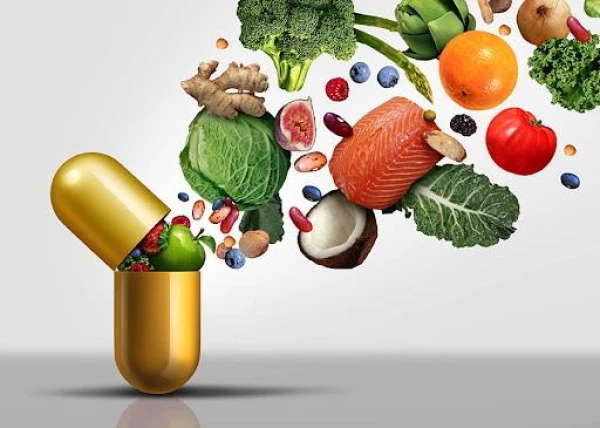
Skin, hair, and nails are the main indicators of B vitamin deficiency. However, these are not the only signs. If you experience rapid fatigue, numbness in the limbs, headaches, and frequent irritability, it is a reason to reconsider your diet and add the necessary vitamins.
Thiamine (B1)
This vitamin plays a key role in converting carbohydrates into energy, participates in the synthesis of several hormones, and supports the functioning of the hematopoietic and nervous systems.
Symptoms of deficiency. Significant deficiency can lead to polyneuropathy (beriberi), manifested by loss of sensitivity, muscle weakness, and cardiovascular problems. In rare cases, thiamine-dependent anemia syndrome may develop, accompanied by decreased hemoglobin levels, diabetes, and hearing loss.
Sources: sunflower seeds, whole grain bread, nuts, cereals, legumes, potatoes, seafood, pork.
Riboflavin (B2)
This vitamin is involved in the synthesis of pyridoxine, the formation of red blood cells and antibodies. It also helps maintain normal weight by participating in fat breakdown and protects the skin, eyes, and nervous system.
Symptoms of deficiency. Possible skin lesions, cracks on the lips, hair loss, and ulcers on the eye mucosa. Riboflavin deficiency is often observed in people with endocrine system diseases and vegetarians.
Sources: cheese, cottage cheese, eggs, mushrooms, milk, fish, poultry, red meat, beef liver, buckwheat, rice, white cabbage, yeast.
Niacin (B3, niacin, PP)
Niacin is involved in the synthesis of proteins, steroid hormones, and fatty acids, protecting the skin and nervous system from damage. It also has a vasodilating effect and can lower levels of “bad” cholesterol in the blood.
Symptoms of deficiency. Skin pigmentation, nausea, fatigue. In cases of critical deficiency, pellagra may develop, manifested by dry, scaly skin, diarrhea, and vision impairment.
Sources: buckwheat, meat, offal, rye bread, mango, pineapple, beets, beans, mushrooms. Niacin is better absorbed from animal products.
Pantothenic Acid (B5)
It contributes to the synthesis of steroid hormones and coenzyme A, as well as helps absorb fatty acids.
Symptoms of deficiency. May manifest as burning and numbness in the limbs, headaches and muscle pain, vision deterioration, sleep disturbances, and irritability. Vitamin B₅ deficiency is quite rare.
Sources: nuts, oatmeal, peas, yeast, buckwheat, meat, dairy products, and seafood, poultry.
Pyridoxine (B6)
Necessary for the formation of red blood cells and hemoglobin, as well as for the breakdown of glucose and fats. Important for the functioning of the nervous and immune systems, it reduces the risk of cancer development.
Symptoms of deficiency. Possible anemia, neurological disorders, and frequent infections.
Sources: meat, fish and seafood, potatoes, vegetables, legumes.
Biotin (B7)
Participates in the regulation of protein, fat, and carbohydrate metabolism, as well as in the production of collagen, necessary for the health of skin, hair, and nails.
Symptoms of deficiency. Hair loss, dry skin, brittle nails, and digestive problems.
Sources: eggs (yolks), meat, beef liver, seafood, sunflower seeds, bananas, citrus fruits, apples, parsley, legumes. A significant amount of biotin is produced in the intestines with a healthy microbiome.
Folic Acid (B9)
It is important for DNA formation, vitamin and amino acid metabolism, as well as for the formation of red blood cells. During pregnancy, it reduces the risk of congenital defects in the fetus.
Symptoms of deficiency. Possible anemia, weakness, headaches, irritability, dry skin, and hair loss.
Sources: spinach, asparagus, broccoli, avocado, chicken liver, nuts, legumes.
Cobalamin (B12)
Participates in the process of hematopoiesis, functioning of the nervous system, as well as in protein and fat metabolism.
Symptoms of deficiency. Possible neurological disorders (in particular, memory problems) and cardiovascular diseases.
Sources: only animal products — meat, poultry, fish, liver, yolks, fermented dairy products, cheese.













Leave a comment