Do you want to see crocuses, daffodils, and muscari in your flowerbeds sooner? Or at least walk along dry paths without slipping on the ice under the windows? We will tell you how to speed up the snow melting process.
Why Should You Accelerate Snow Melting?
Accelerating snow melting is important not only to warm the soil faster and see green grass but also to help maintain the health of trees and shrubs in the early spring period.
Although there is a lot of snow around, fruit trees often experience a lack of moisture at this time. In March and early April, trees lose water. The buds have not yet opened, but the plants begin to come out of dormancy, and on sunny, warm days, the branches warm up, leading to intense evaporation.
For normal plant development, it is necessary for the roots to supply the branches and buds with sufficient dissolved nutrients. However, since the ground is frozen, the roots are essentially inactive and do not supply water to the tops of the trees. If fruit trees are not assisted in this situation, vegetation will start later.
Thus, it is important to accelerate soil warming and root activation.
There are several methods that cottage owners, villagers, and experts recommend for accelerating snow melting.
Using Ash to Darken the Snow
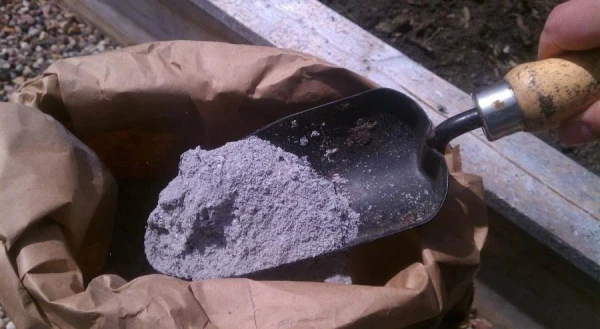
Simply sprinkle the snow with a thin layer of ash, lightly dusting it, and you will see the snow begin to melt. This method is effective even at sub-zero temperatures on sunny days.
The black particles heat up in the sun, which promotes melting the snow beneath them and makes it loose. However, it is important not to overdo it with the amount of ash, or you may achieve the opposite effect.
In addition to ash, snow can be sprinkled with peat or sand. In some villages, chicken manure is also used, which simultaneously serves as fertilizer, penetrating the soil with the melting water.
Black Film for Quick Snow Melting
While ash is a good option, spreading it on paths and areas where you frequently walk is not the best solution, as it will lead to dirt in the house.
If you need to quickly melt snow in a specific area, you can cover it with dark film. In clear weather, the snow in such areas will melt even faster. Dark surfaces absorb sunlight better, creating a greenhouse effect. This is a great way to prepare a bed for early planting of radishes or greens (salads planted in early spring turn out especially juicy and crispy).
Shovels and Forks for Working with Snow Drifts
You can loosen snowdrifts with regular forks or a shovel. Yes, this requires effort, but it is better to do it, as dense snow, especially under an icy crust, melts slowly.
It is recommended to loosen the snow and clear some of it under the crowns of the trees. If possible, it is worth loosening the rows and all places where the snow lies in drifts and is not too compact. Instead of scattering it, you can simply break the snow with a shovel or poke it with forks. The main thing is not to mix the snow with the soil, as this will slow down soil warming.
Additional Measures
On sloped areas, you can create small ditches across the slope. This will help prevent the washout of the fertile topsoil and the accumulation of water in the low areas.
If the plot is located in a low area on heavy clay soils, spring waters should be diverted into pits or ditches to prevent the roots of plants from suffocating and rotting.
Stagnant puddles can be punctured with a stick to allow the water to drain away.